Saturday, 28 February 2026

A Complete Guide to Spinal Health and Pain Relief

Living in Bronte offers an active coastal lifestyle, yet back pain and neck stiffness can still limit daily movement. Many people search for a trusted chiropractor near Bronte, Sydney when discomfort begins affecting work, sleep, or exercise. Understanding how professional chiropractic care works can help you make informed decisions about your spinal health.

Spine and Posture Care provides evidence-based chiropractic care focused on safe assessment, clear diagnosis, and structured rehabilitation. Our experienced chiropractor works with patients experiencing back pain, neck pain, posture concerns, and nerve-related symptoms. The goal is always to improve function, restore mobility, and reduce the likelihood of recurring pain.

Understanding the Spine and Nervous System

The spine protects the spinal cord and supports the entire musculoskeletal system. It includes the cervical vertebrae, thoracic vertebrae, lumbar vertebrae, and the sacrum. Between each vertebra sits an intervertebral disc, which absorbs load and allows movement.

When joint mobility becomes restricted or muscles tighten, irritation can affect the central nervous system and peripheral nervous system. This may contribute to local pain or radiating symptoms. Professional chiropractic assessment looks at joint function, muscle balance, posture, and neurological signs to determine what is contributing to discomfort.

Common Conditions Treated Near Bronte

core strengthening exercise for pain relief

Many patients present with mechanical spinal pain. Lower back pain relief often involves addressing lumbar vertebrae stiffness, facet joint irritation, or sacroiliac joint dysfunction. Muscle strain and ligament sprain can also play a role.

Disc conditions such as herniated disc or bulging disc may irritate nearby nerves. In some cases, degenerative disc disease or spinal stenosis contributes to persistent discomfort. Care is planned carefully and based on clinical findings rather than assumptions.

Neck pain frequently involves the cervical vertebrae and surrounding muscles, including the trapezius muscle. Poor posture can stress the erector spinae muscles and contribute to tension patterns. These imbalances can also trigger tension headaches or migraine symptoms.

Conditions such as sciatica, scoliosis, kyphosis, and lordosis may also be assessed. Sciatica develops when the sciatic nerve becomes irritated. Proper evaluation ensures that nerve-related pain is managed safely and appropriately.

How Professional Chiropractic Assessment Works

A consultation begins with detailed history taking. Your clinician asks about symptom patterns, work posture, activity levels, and previous injuries. Examination includes joint mobility testing, muscle assessment, and neurological screening.

Orthopedic and neurology testing help identify irritation within the nervous system. When clinically indicated, imaging such as X-ray, magnetic resonance imaging, or computed tomography may be reviewed. In complex nerve cases, referral for electromyography or nerve conduction study may be considered.

This structured process ensures ethical, patient-centred care grounded in evidence and clinical reasoning.

Treatment Methods Used in Modern Chiropractic Care

Treatment may include spinal adjustment and spinal manipulation therapy to improve joint mobility. Manual therapy techniques reduce muscular tension and support recovery.

For disc-related concerns, spinal decompression may reduce pressure on affected structures. Trigger point therapy and massage therapy can ease myofascial pain syndrome and muscle tightness.

Rehabilitation is equally important. Therapeutic exercise, postural retraining, and mobility restoration therapy help strengthen weak areas and improve long-term stability. Kinesiology taping may provide temporary support during recovery.

Posture Correction for Long-Term Results

Posture correction is more than standing upright. It addresses how the ribcage, pelvis, and spine align during daily activity. Long hours at a desk or repetitive training can gradually change spinal loading patterns.

A chiropractor for posture correction focuses on restoring spinal alignment and strengthening supporting muscles. This may reduce chronic pain management needs and improve comfort during work and leisure.

Supporting the Bronte Community

Residents around Bronte Baths, Bronte House, The Bronte Cutting, Waverley Cemetery, and Bronte Gully & Waterfall often lead active lifestyles. Coastal walks and beach activities are beneficial but can also strain the spine if underlying mobility is limited.

Our chiropractor services remain easily accessible via Bronte, Sydney Road, Macpherson Street, Hewlett Street, St Thomas Street, and Albion Street. Convenient access encourages consistent follow-up care, which supports lasting improvement.

Choosing an Ethical and Experienced Chiropractor

A licensed chiropractor should provide transparent explanations and avoid exaggerated claims. Ethical care means monitoring progress, adjusting treatment plans when needed, and referring to other healthcare providers when appropriate.

At Spine and Posture Care, structured assessment and clinical documentation guide every step. Our experienced chiropractor prioritises safety, professionalism, and clear communication.


If you are considering professional care, you may contact Spine and Posture Care at (02) 8040 9922 to arrange a consultation and discuss your symptoms with a qualified practitioner.

What to Expect During Your Visit

During your first visit, expect thorough assessment and discussion. Treatment is only recommended when appropriate. Each spinal adjustment is applied carefully, with attention to comfort and safety.

Progress is reviewed regularly. Rehabilitation exercises are adjusted based on response. The aim is to improve joint mobility, reduce nerve irritation, and support natural healing within the musculoskeletal system.

If you are ready to take steps toward improved spinal health, consider booking an appointment with Spine and Posture Care to begin a structured and supportive care plan.

Frequently Asked Questions

1. How can a chiropractor near Bronte, Sydney help with lower back pain?

A chiropractor assesses lumbar vertebrae alignment, intervertebral disc health, and sacroiliac joint movement. Treatment may include spinal adjustment and rehabilitation exercises to support lower back pain relief safely.

2. Can chiropractic treatment help with sciatica?

Sciatica involves irritation of the sciatic nerve. Chiropractic care may include spinal decompression, manual therapy, and mobility restoration to reduce nerve pressure and improve function.

3. Is posture correction part of chiropractic care?

Yes. Posture correction focuses on spinal alignment, muscle balance, and ergonomic advice. Therapeutic exercise strengthens supportive structures and reduces strain on the vertebral column.

4. When is imaging required?

Imaging such as X-ray or MRI is considered when symptoms suggest structural changes or persistent nerve involvement. Testing supports safe clinical decision-making.

5. Is chiropractic care suitable for chronic neck pain?

Chronic neck pain linked to cervical vertebrae stiffness may respond to spinal manipulation therapy, soft tissue therapy, and structured rehabilitation under professional supervision.

The post A Complete Guide to Spinal Health and Pain Relief appeared first on Spine and Posture Care.


from Spine and Posture Care https://ift.tt/IYuXAmj
via IFTTT

Friday, 27 February 2026

How Chiropractic Insights Can Help Maroubra Residents Manage Repetitive Strain from Daily Activities

Living in Maroubra offers a unique blend of beachside lifestyle and urban conveniences, but the daily activities that fill your routine might be silently contributing to repetitive strain injuries that accumulate over time. From carrying surfboards to the beach, typing at your desk for hours, or even just scrolling through your phone during your commute, these seemingly harmless repetitive movements can gradually damage tissues, create muscle imbalances, and lead to chronic pain conditions that significantly impact your quality of life. The challenge with repetitive strain is that it develops so gradually that most people don’t recognize the problem until pain becomes constant and function becomes limited. Understanding how these injuries develop and how chiropractic insights can help you identify and address them early makes all the difference in maintaining an active, pain-free lifestyle. If you’re experiencing persistent discomfort from activities you perform regularly, consulting a Chiropractor in Maroubra, Sydney can provide the specialized assessment needed to identify movement patterns that are contributing to your symptoms. Spine And Posture Care specializes in analyzing how your daily activities stress your musculoskeletal system and developing strategies to prevent repetitive strain from progressing into chronic conditions.

The beauty of chiropractic care for repetitive strain lies in its focus on understanding how your body moves and functions as an integrated system rather than just treating isolated symptoms. When you perform the same movement pattern hundreds or thousands of times, whether it’s typing, lifting, reaching, or even just maintaining a particular posture, your body adapts to these demands in ways that aren’t always healthy. Muscles develop imbalances, joints develop wear patterns, and your nervous system essentially learns and reinforces these potentially harmful movement strategies. Spine And Posture Care takes a comprehensive approach to evaluating these learned patterns, identifying the specific biomechanical faults that create strain, and correcting them through targeted treatment and education that addresses root causes rather than just temporarily relieving symptoms.

Understanding Repetitive Strain in the Maroubra Lifestyle

Common Activities That Create Repetitive Stress

Maroubra residents engage in a diverse range of activities that can contribute to repetitive strain, many of which seem completely benign until problems develop. The beach culture that defines the area means many people regularly carry surfboards, bodyboards, or beach equipment, often on one shoulder or one side of the body. This asymmetrical loading, repeated day after day, creates uneven stress on your spine, shoulders, and hips that accumulates into significant imbalances over time. Even the way you walk on sand, which requires more muscular effort than walking on firm ground, can contribute to overuse injuries in your feet, ankles, and legs when done frequently without adequate recovery.

Beyond beach activities, the standard modern lifestyle factors affect Maroubra residents just as they do people everywhere. Hours spent sitting at computers for work create sustained postural stress on your neck, upper back, and shoulders. The forward head position most people adopt while working essentially adds extra weight to your cervical spine, forcing muscles to work overtime to hold your head up. Smartphone use adds another layer of repetitive strain, with the head-down posture creating enormous stress on neck structures. Even household activities like gardening, cooking, or cleaning involve repetitive bending, reaching, and twisting movements that can create cumulative damage when performed with poor body mechanics.

The Biomechanics Behind Repetitive Strain Injuries

Office worker sitting with poor posture while using a desktop computer

How Small Movements Create Cumulative Damage

Repetitive strain injuries develop through a process called cumulative trauma, where tissues experience microscopic damage that exceeds the body’s ability to repair itself between repetitions. Every time you perform a movement, especially one that involves awkward postures, sustained positions, or forceful exertions, you create tiny amounts of stress and damage to muscles, tendons, ligaments, and joint structures. Under normal circumstances, your body repairs this damage during rest periods, actually building stronger tissues in the process. However, when the rate of damage exceeds the rate of repair, cumulative trauma occurs, leading to inflammation, pain, and eventually chronic injury.

The insidious nature of repetitive strain is that each individual repetition feels completely manageable and safe. Typing a single email doesn’t hurt your wrists. Lifting one box doesn’t injure your back. Looking at your phone for a moment doesn’t strain your neck. It’s only when you multiply these actions by hundreds or thousands of repetitions over weeks, months, and years that the cumulative effect becomes apparent. Chiropractic Care in Maroubra, Sydney helps patients understand this cumulative process and recognize the early signs that their bodies are exceeding their capacity to adapt and repair, allowing for intervention before temporary discomfort becomes permanent dysfunction.

The Role of Spinal Alignment in Preventing Strain

Your spinal alignment serves as the foundation that either protects against or predisposes you to repetitive strain injuries. When your spine maintains its natural curves and proper alignment, forces distribute evenly throughout your musculoskeletal system during movement and activity. Muscles work efficiently from optimal lengths, joints move through their intended ranges of motion, and tissues experience balanced loading that they’re designed to handle. This optimal alignment allows your body to tolerate much higher volumes of repetitive activity without developing injury.

However, when spinal misalignments exist, they create compensatory movement patterns that place abnormal stress on certain structures while underutilizing others. A simple example illustrates this principle: if your pelvis tilts forward due to misalignment in your lower back, your hamstrings become chronically lengthened and weak while your hip flexors become short and tight. Now when you perform repetitive activities like walking or running, these imbalanced muscles create abnormal forces that accelerate wear and tear on your hip joints, knees, and lower back. The same principle applies throughout your entire spine and body, which is why addressing spinal alignment forms such a critical component of preventing and treating repetitive strain conditions.

Recognizing Early Warning Signs of Repetitive Strain

Catching repetitive strain in its early stages dramatically improves outcomes and prevents progression to chronic injury. The earliest signs are often subtle and easy to dismiss as just normal aches and pains. You might notice stiffness when you first wake up that improves after moving around, or mild discomfort during or after specific activities that goes away with rest. These initial symptoms represent your body’s warning system trying to tell you that tissues are being stressed beyond their current capacity to adapt.

As repetitive strain progresses, symptoms become more persistent and intense. Discomfort starts appearing earlier in your activity and takes longer to resolve afterward. You might notice weakness, reduced range of motion, or the need to modify how you perform certain tasks to avoid pain. Numbness, tingling, or burning sensations can indicate that nerve structures are becoming involved, which represents a more advanced stage of injury. Many people also experience symptoms in areas that seem unrelated to where they’re performing repetitive activities, as the body develops complex compensation patterns to protect injured tissues. A Chiropratic Service Maroubra Sydney professional can help you recognize these early warning signs and understand the patterns connecting your symptoms to specific activities or movement faults.

Chiropractic Assessment of Movement Patterns

Identifying Faulty Mechanics Before Injury Occurs

One of the most valuable aspects of chiropractic care for repetitive strain involves detailed movement analysis that identifies problematic patterns before they cause significant injury. During a comprehensive assessment, your chiropractor observes how you perform common activities, looking for deviations from ideal biomechanics that create excessive stress on particular structures. This might involve watching you sit and work at a computer, demonstrating how you lift objects, or analyzing your posture and movement during activities specific to your lifestyle and occupation.

Advanced assessment techniques can reveal subtle dysfunctions that you might not consciously recognize. Your chiropractor evaluates the quality of movement in each spinal segment, checking for areas of restriction or excessive motion that indicate joint dysfunction. Muscle testing identifies imbalances where some muscles are overactive and tight while their opposing muscles are weak and inhibited. Postural analysis reveals asymmetries and alignment faults that create uneven loading during repetitive activities. Spine And Posture Care uses this comprehensive evaluation process to create a detailed picture of exactly how your movement patterns are contributing to strain and where interventions will provide the greatest benefit.

Treatment Approaches for Repetitive Strain Conditions

Spinal Adjustments and Soft Tissue Therapy

Treating repetitive strain requires a multi-faceted approach that addresses both the structural problems contributing to faulty movement patterns and the damaged tissues that have resulted from cumulative trauma. Spinal adjustments restore proper joint mechanics and alignment, immediately improving how forces distribute through your body during movement. When restricted joints are mobilized and misaligned vertebrae are corrected, your nervous system receives better sensory information and can coordinate movement more effectively, reducing stress on vulnerable tissues.

Soft tissue therapies complement spinal adjustments by directly addressing the muscles, tendons, and fascia that have become damaged, inflamed, or dysfunctional from repetitive strain. Techniques like instrument-assisted soft tissue mobilization, trigger point therapy, and myofascial release break down scar tissue, reduce muscle tension, and improve tissue quality. These therapies also enhance blood flow to injured areas, supporting the healing process and helping tissues regain their normal elasticity and strength. The combination of joint-focused and soft tissue-focused treatments creates synergistic effects where each intervention enhances the other, producing better outcomes than either approach could achieve alone.

Ergonomic Modifications for Daily Activities

Workplace and Home Environment Adjustments

Preventing repetitive strain requires modifying the environments and conditions under which you perform repetitive activities. In workplace settings, ergonomic adjustments can dramatically reduce the stress that computer work places on your body. Your monitor should sit at eye level so you’re not constantly looking down, and your keyboard and mouse should position your wrists in neutral alignment rather than extended or flexed. Your chair should support the natural curves of your spine, and your feet should rest flat on the floor or a footrest.

Home environments deserve equal attention to ergonomics. The height of your kitchen counters, the design of your gardening tools, and even how you arrange furniture all influence the positions and movements your body adopts during daily activities. A Maroubra Chiropractor can provide specific recommendations tailored to your individual activities and body mechanics, identifying modifications that reduce strain without requiring you to give up the activities you enjoy. Simple changes like using a hands-free device for phone calls, positioning your computer screen properly, or using tools with ergonomic handles can significantly reduce cumulative stress on your musculoskeletal system.

Exercise and Strengthening Protocols for Prevention

Building resilience against repetitive strain involves more than just avoiding harmful activities; it requires actively strengthening your body to better tolerate the demands you place on it. Targeted exercise programs address the specific muscle imbalances and movement deficits identified during your chiropractic assessment. Strengthening weak muscles improves joint stability and force distribution, while stretching tight muscles restores normal range of motion and reduces abnormal stress on joints and connective tissues.

The key to effective exercise for repetitive strain prevention lies in specificity and proper progression. Generic fitness programs might improve overall health but won’t necessarily address the particular vulnerabilities that predispose you to strain from your specific activities. Spine And Posture Care develops individualized exercise protocols that target your unique needs, starting with foundational movements that establish proper motor patterns and gradually progressing to more challenging exercises that build the strength and endurance necessary to perform your daily activities without accumulating damage. These programs also include exercises that improve body awareness and movement quality, helping you naturally adopt better mechanics during repetitive tasks.

Conclusion

Repetitive strain injuries represent one of the most common and preventable sources of chronic pain and disability affecting Maroubra residents engaged in both work and recreational activities. The cumulative nature of these injuries means that by the time symptoms become obvious, significant damage has often already occurred. Chiropractic care offers unique insights into how your movement patterns and spinal alignment contribute to repetitive strain, providing both treatment for existing conditions and strategies for preventing future problems. By addressing the biomechanical foundations of repetitive strain through comprehensive assessment, targeted treatment, and personalized prevention strategies, you can maintain an active lifestyle without the constant threat of overuse injuries limiting your function and enjoyment.

FAQs

How is repetitive strain different from a sudden injury?

Repetitive strain develops gradually from cumulative microtrauma over time, while acute injuries occur from a single event. Repetitive strain often goes unnoticed until it reaches advanced stages because each individual repetition doesn’t cause noticeable damage.

Can I continue my activities while being treated for repetitive strain?

In most cases, yes, though modifications may be necessary. Your chiropractor will help you identify which activities need to be temporarily reduced or modified and which can continue safely during treatment to maintain function without aggravating your condition.

How long does it take to recover from repetitive strain injuries?

Recovery time varies based on severity and how long the condition existed before treatment began. Early-stage repetitive strain often improves within weeks, while chronic conditions may require several months of consistent treatment and rehabilitation to fully resolve.

Will I need to completely change my daily routine to prevent repetitive strain?

Major lifestyle changes are rarely necessary. Most prevention involves making small adjustments to how you perform existing activities, improving ergonomics, and adding targeted exercises to build resilience. The goal is sustainable modification rather than complete avoidance.

Is repetitive strain just a normal part of aging?

No. While some age-related changes in tissue quality occur naturally, repetitive strain injuries result from accumulated mechanical stress and are largely preventable through proper body mechanics, ergonomics, and maintaining good spinal alignment throughout your life.

The post How Chiropractic Insights Can Help Maroubra Residents Manage Repetitive Strain from Daily Activities appeared first on Spine and Posture Care.


from Spine and Posture Care https://ift.tt/zJtK1yi
via IFTTT

What Role Spinal Health Plays in Maintaining a Strong Core and How Chiropractic Helps

When most people think about building a strong core, they envision endless planks, crunches, and ab workouts. However, what if the foundation of true core strength actually lies in something most fitness enthusiasts overlook: the health of your spine? Your spinal column doesn’t just support your body’s weight; it serves as the central anchor point for every core muscle you possess. Without proper spinal alignment and function, even the most dedicated core training program will fall short of its potential. Understanding this fundamental connection between spinal health and core strength can transform how you approach both fitness and overall wellness. If you’re struggling to develop core stability despite consistent exercise, consulting a Chiropractor in Manly, Sydney might reveal that spinal dysfunction is the missing piece of your puzzle. Spine And Posture Care specializes in identifying and correcting spinal issues that compromise core function, helping patients unlock their body’s natural strength potential.

The relationship between your spine and core goes far deeper than simple proximity. Every core muscle, from the deep stabilizers that support your vertebrae to the superficial muscles that create visible definition, relies on proper spinal alignment and nerve function to work effectively. When vertebrae shift out of position or spinal joints become restricted, the neurological signals that activate your core muscles become disrupted, essentially short-circuiting your body’s natural stabilization system. Spine And Posture Care recognizes that true core strength isn’t built through exercise alone but requires a foundation of optimal spinal health that allows your nervous system to properly coordinate and activate the complex network of muscles responsible for stability and movement.

Understanding the Spine-Core Connection

How Your Spine Anchors Core Muscles

Your spine serves as the primary attachment point for virtually every core muscle in your body. The rectus abdominis, obliques, transverse abdominis, erector spinae, multifidus, and numerous other muscles all connect directly to your vertebrae, ribs, or pelvis in ways that make spinal positioning critical to their function. Think of your spine as the center pole of a tent, with core muscles acting as the guy-wires that provide stability. If the center pole shifts, tilts, or weakens, no amount of tension in the guy-wires can create proper structure.

This architectural relationship means that spinal alignment directly influences how effectively your core muscles can generate force and provide stability. When your vertebrae maintain their proper positions and natural curves, your core muscles work from an optimal length-tension relationship, allowing them to contract efficiently and provide maximum support. However, when spinal misalignments occur, whether from injury, poor posture, or repetitive stress, they alter these attachment points and change the mechanical advantage of your core muscles, making them work harder to achieve less stabilization.

The Anatomy of Core Strength and Spinal Support

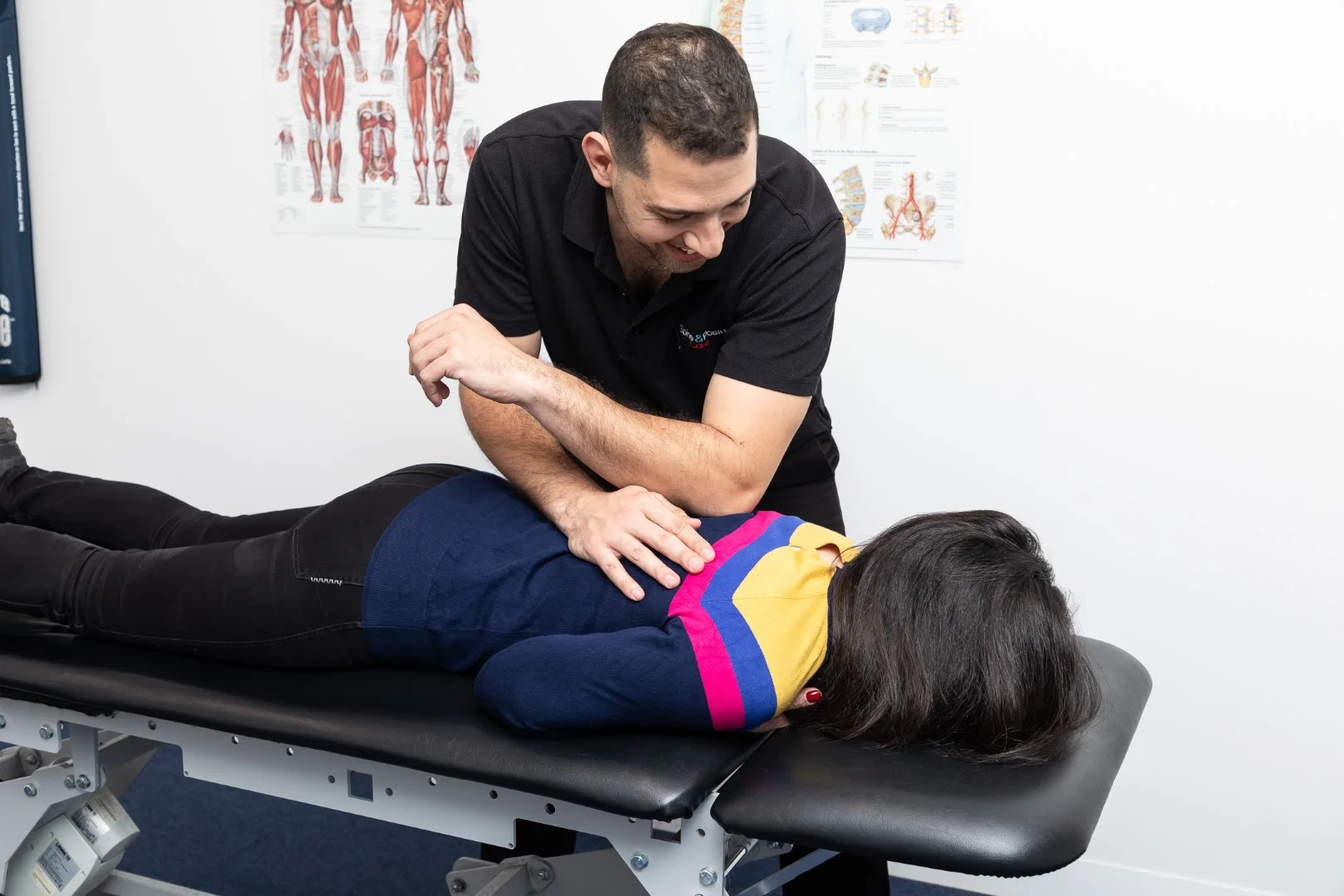
chiropractor performing thoracic spine adjustment for mid back pain

Deep Core Muscles and Vertebral Stability

The deepest layer of your core musculature consists of muscles specifically designed to stabilize individual vertebrae and maintain spinal integrity. These muscles work differently from the superficial abs you see in the mirror; they fire reflexively in response to movement, creating a protective corset around your spine before you even consciously initiate an action. The multifidus muscles, which run along the entire length of your spine, and the transverse abdominis, which wraps around your midsection like a natural weight belt, form the foundation of this deep stabilization system.

What many people don’t realize is that these critical stabilizing muscles are heavily dependent on proper nerve function for their activation. The nerves that control these deep core muscles exit your spinal cord at specific levels, and any interference at these nerve roots can dramatically reduce their ability to activate properly. Chiropractic Care in Manly, Sydney addresses this neurological component of core function, recognizing that muscle weakness or poor core stability often stems from spinal nerve interference rather than simply lack of strength or conditioning.

The Multifidus and Transverse Abdominis Relationship

Research has consistently shown that the multifidus and transverse abdominis activate together as a coordinated unit to stabilize your spine during movement. The multifidus muscles connect adjacent vertebrae, providing segmental stability, while the transverse abdominis increases intra-abdominal pressure to create a rigid cylinder that protects your spine from excessive forces. This partnership requires precise neurological coordination that depends entirely on clear communication between your brain, spinal cord, and these muscles.

When spinal dysfunction disrupts this communication, you experience what researchers call “delayed onset” of these stabilizing muscles. Instead of firing milliseconds before movement to protect your spine, they activate late or incompletely, leaving your spine vulnerable to injury and making other muscles compensate in ways they weren’t designed for. This compensation pattern leads to the familiar scenario where people develop strong superficial abs but still experience back pain or core instability, because the deep stabilization system isn’t functioning properly due to underlying spinal problems.

How Spinal Misalignments Weaken Core Function

Spinal misalignments create multiple pathways through which they undermine core strength and stability. First, they alter the biomechanics of how your core muscles attach to your spine, changing their line of pull and reducing their mechanical efficiency. A vertebra that has rotated or shifted laterally changes the angle at which muscles attach, meaning they must work harder to create the same amount of stabilizing force. Over time, this increased effort leads to fatigue, compensation, and often pain.

Second, and perhaps more importantly, spinal misalignments create nerve interference that disrupts the neurological control of your core muscles. Your brain relies on constant feedback from sensors in your spinal joints, muscles, and ligaments to coordinate movement and maintain stability. When joints become restricted or vertebrae shift out of alignment, this sensory information becomes distorted, like trying to drive a car with a dirty windshield. Your brain can’t coordinate core muscle activation properly when it’s receiving faulty information about your spine’s position and movement.

Signs Your Spine May Be Undermining Your Core Strength

Postural Indicators of Spinal Dysfunction

Certain postural patterns clearly indicate that spinal problems are compromising your core function. An exaggerated lumbar curve, often called anterior pelvic tilt, typically signals that deep core stabilizers aren’t properly supporting the lower spine, forcing the back muscles to work overtime and creating a compensatory arch. Similarly, a flat lower back or posterior pelvic tilt often indicates that spinal restrictions are preventing normal movement patterns and proper core muscle activation.

Upper body posture provides equally important clues. Forward head posture and rounded shoulders create changes throughout your entire spine that affect core function, even though these problems seem far removed from your midsection. When your head shifts forward, your center of gravity changes, forcing your core muscles to work differently to maintain balance. A Chiropratic Service Manly, Sydney professional can identify these postural compensations and trace them back to their spinal origins, addressing the root causes rather than just the visible symptoms.

Chiropractic Approaches to Enhancing Core Stability

Spinal Adjustments and Neuromuscular Activation

Chiropractic adjustments do more than just reduce pain or improve mobility; they fundamentally restore proper neurological function that allows your core muscles to activate correctly. When a chiropractor adjusts a misaligned vertebra, the immediate mechanical correction is just the beginning. The adjustment sends a flood of sensory information to your brain, essentially rebooting the neurological circuits that control muscles in that spinal region. Studies using electromyography have shown that spinal adjustments can immediately improve the activation patterns of core stabilizing muscles.

This neurological restoration explains why many patients experience immediate improvements in balance, stability, and movement quality after adjustments, even before any strengthening exercises have been performed. The muscles were always there and potentially strong enough, but they weren’t receiving clear signals to coordinate properly. Spine And Posture Care combines precise spinal adjustments with specific exercises designed to retrain these newly activated muscles, creating lasting improvements in core stability that go far beyond what exercise alone could achieve.

The Rehabilitation Process for Core and Spine Integration

Rehabilitating the spine-core relationship requires a sequential approach that addresses both structure and function. Initial treatment focuses on correcting spinal misalignments and reducing any inflammation or muscle spasms that may be present. During this phase, gentle mobility exercises help restore normal joint movement without overloading healing tissues. As spinal function improves, rehabilitation progresses to targeted exercises that specifically retrain the deep core stabilizers to activate properly.

The key difference between standard core exercises and rehabilitation guided by a Manly Chiropractor lies in the focus on quality of movement and proper muscle activation rather than quantity of repetitions or difficulty of exercises. Simple movements performed with precise technique and proper breathing patterns often produce better results than advanced exercises performed with compensatory patterns. Spine And Posture Care teaches patients to feel the difference between superficial muscle bracing and true deep core activation, helping them develop body awareness that supports long-term spinal health and functional stability.

Lifestyle Factors That Support Both Spinal and Core Health

Daily habits play an enormous role in either supporting or undermining the relationship between your spine and core. Prolonged sitting, particularly in slouched positions, essentially teaches your core stabilizers to turn off, as your spine collapses into passive structures like ligaments and discs for support. Breaking up sitting time with movement, maintaining good posture, and using ergonomic workstation setups all help keep your spine in positions where core muscles can function optimally.

Sleep position and mattress quality also significantly impact spinal health and, by extension, core function. Sleeping on your stomach forces your spine into extension and rotation that can create misalignments, while an unsupportive mattress allows your spine to sag into positions that stress joints and muscles. Side sleeping with proper pillow support maintains neutral spinal alignment throughout the night, giving your body the best opportunity to recover and maintain the spinal health necessary for optimal core function. Hydration deserves mention as well, since your intervertebral discs depend on adequate fluid to maintain their height and shock-absorbing properties. Dehydrated discs compromise spinal mechanics and make proper core activation more difficult.

Conclusion

The connection between spinal health and core strength represents one of the most overlooked factors in both fitness and rehabilitation. Your spine provides the foundation upon which all core function is built, serving as the attachment point for core muscles and the pathway for the nerves that control them. When spinal alignment and function are compromised, even the most dedicated core training efforts will produce limited results. Addressing spinal health through comprehensive chiropractic care unlocks your body’s natural capacity for stability and strength, creating improvements that extend far beyond the treatment room into every aspect of your daily life and physical performance.

FAQs

Can I build a strong core if my spine isn’t properly aligned?

While you can develop some core muscle size and strength with misalignment present, true functional core stability requires proper spinal alignment for optimal muscle activation. Spinal dysfunction limits how effectively your core can protect your spine during daily activities.

How quickly will I notice core strength improvements after chiropractic treatment?

Many patients notice immediate improvements in balance and stability after adjustments restore proper nerve function. Building sustained strength takes longer, typically several weeks of combining spinal care with appropriate exercises to retrain muscle activation patterns.

Do I still need to do core exercises if I’m receiving chiropractic care?

Absolutely. Chiropractic care optimizes the foundation by correcting spinal alignment and nerve function, but exercise is necessary to build strength and endurance. The combination produces far better results than either approach alone.

Can weak core muscles cause spinal misalignments?

The relationship works both ways. Weak core muscles can contribute to spinal instability that leads to misalignments, while spinal misalignments interfere with core muscle activation, creating weakness. Breaking this cycle requires addressing both components simultaneously.

What’s the best type of exercise for core strength with spinal issues?

Low-impact exercises that emphasize quality of movement over intensity work best initially. Exercises like bird dogs, dead bugs, and gentle bridges performed with proper form help retrain core activation without stressing a healing spine.

The post What Role Spinal Health Plays in Maintaining a Strong Core and How Chiropractic Helps appeared first on Spine and Posture Care.


from Spine and Posture Care https://ift.tt/HiPM6L1
via IFTTT

When Upper Back Stiffness Becomes a Sign You May Benefit From Chiropractic Assessment

That nagging tightness between your shoulder blades might feel like just another consequence of sitting at your desk too long, but when does ordinary stiffness cross the line into something that needs professional attention? Upper back stiffness has become increasingly common in our modern world, where hours spent hunched over computers, phones, and steering wheels create persistent tension in the thoracic spine region. While occasional stiffness after a long day is normal, certain patterns and intensities of upper back discomfort signal that your body needs more than just stretching or rest. If you’re experiencing ongoing upper back stiffness that won’t resolve with simple self-care measures, consulting a Chiropractor in Mascot, Sydney could provide the answers and relief you’ve been searching for. Spine And Posture Care specializes in evaluating the underlying causes of upper back stiffness and determining whether spinal misalignments or other structural issues are contributing to your discomfort.

Understanding when your upper back stiffness has moved beyond temporary muscle fatigue requires awareness of specific warning signs that indicate deeper problems. Your upper back, or thoracic spine, serves as a crucial anchor point for your entire spinal structure, connecting your neck to your lower back while supporting your rib cage and vital organs. When this region becomes chronically stiff, it often reflects biomechanical problems that won’t resolve on their own. Spine And Posture Care helps patients distinguish between normal muscle tension and the kind of stiffness that indicates spinal dysfunction, joint restrictions, or nerve involvement that benefits from professional assessment and treatment.

Understanding Upper Back Stiffness and Its Common Causes

Upper back stiffness originates from various sources, ranging from simple muscle overuse to complex spinal misalignments. The thoracic spine consists of twelve vertebrae that connect to your ribs, creating a relatively stable but still mobile section of your spine. When functioning properly, this area allows for rotation, side bending, and the expansion necessary for breathing. However, prolonged poor posture, repetitive movements, or traumatic injuries can disrupt the normal mechanics of these vertebrae and the surrounding muscles, ligaments, and joints.

Modern lifestyle factors contribute significantly to upper back stiffness. Sitting for extended periods, especially with rounded shoulders and forward head posture, places enormous strain on the thoracic spine and its supporting structures. The muscles between your shoulder blades become overstretched and weakened, while the chest muscles tighten and pull your shoulders forward. This imbalance creates a cycle of tension and stiffness that becomes progressively worse without intervention. Additionally, stress and emotional tension often manifest as physical tightness in the upper back, as many people unconsciously raise their shoulders and contract these muscles when anxious or overwhelmed.

Warning Signs That Your Stiffness Requires Professional Attention

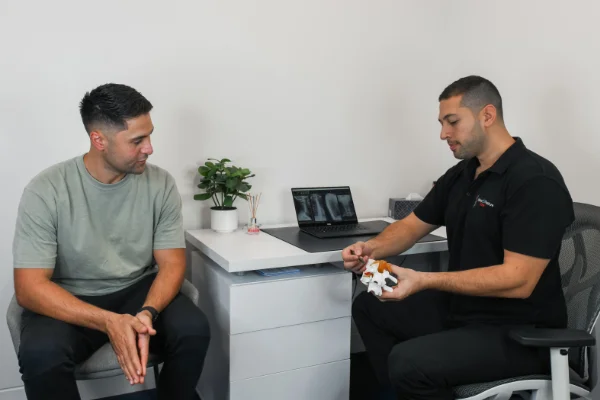
Meet the expert chiropractic team of Spine and Posture Care

Persistent Discomfort Beyond Normal Muscle Soreness

Everyone experiences muscle soreness occasionally, but how do you know when your upper back stiffness has moved beyond the ordinary? Normal muscle soreness from exercise or unusual activity typically resolves within a few days with rest and gentle movement. However, stiffness that persists for weeks or months despite your efforts to address it suggests an underlying problem that requires professional evaluation. This chronic stiffness often indicates that your thoracic spine has developed restricted joint movement, also known as hypomobility, where individual vertebrae lose their normal range of motion.

Another red flag is stiffness that progressively worsens over time rather than improving. If you notice that your upper back feels increasingly tight and restricted each week, or if the area of stiffness expands from a small spot to a larger region, these patterns suggest advancing dysfunction. Morning stiffness that takes more than 30 minutes to ease after waking, or stiffness that intensifies as the day progresses, also indicates that mechanical problems rather than simple muscle fatigue are at play. Chiropractic Care in Mascot, Sydney focuses on identifying these patterns and determining whether spinal joint restrictions, disc problems, or nerve involvement are contributing to your persistent discomfort.

Stiffness That Limits Your Daily Activities

When upper back stiffness begins interfering with your normal activities, it’s signaling that professional assessment is needed. Can you comfortably reach overhead to get items from high shelves? Does turning to check your blind spot while driving cause sharp discomfort? These functional limitations indicate that your thoracic spine mobility has become significantly compromised. Many people gradually adapt to these restrictions, unconsciously modifying their movements to avoid discomfort, but this compensation pattern often leads to problems in other areas of the body.

Pay attention to whether your stiffness affects your breathing. Since your ribs attach to your thoracic vertebrae, restrictions in this area can limit rib cage expansion and make deep breathing uncomfortable or difficult. If you notice that taking a full breath creates pain or tightness in your upper back, or if you find yourself breathing shallowly to avoid discomfort, these symptoms warrant professional evaluation. The connection between thoracic spine health and respiratory function is significant, and addressing spinal restrictions can dramatically improve both breathing capacity and overall comfort.

How Upper Back Stiffness Affects Your Overall Health

The Ripple Effect on Your Neck and Shoulders

Your spine functions as an interconnected chain, where problems in one area inevitably influence other regions. Upper back stiffness rarely stays isolated to the thoracic spine; it creates compensatory patterns that affect your neck and shoulders. When your upper back becomes stiff and immobile, your neck often compensates by moving excessively, leading to cervical strain, headaches, and neck pain. Similarly, shoulder problems frequently develop as your body attempts to work around thoracic restrictions, resulting in conditions like rotator cuff strain, shoulder impingement, or frozen shoulder.

This domino effect extends to your lower back as well. The thoracic spine serves as a transitional zone between your highly mobile neck and your weight-bearing lower back. When the middle section loses mobility, the areas above and below must work harder to compensate, accelerating wear and tear in those regions. Many people seeking help for chronic neck pain or lower back discomfort discover that addressing their upper back stiffness through Chiropratic Service Mascot, Sydney resolves problems throughout their entire spine by restoring normal biomechanics and movement patterns.

Impact on Breathing and Circulation

The relationship between upper back health and breathing efficiency deserves special attention. Each time you inhale, your rib cage must expand in multiple directions, requiring proper movement of the thoracic vertebrae and the joints where ribs attach to the spine. When stiffness restricts these movements, your breathing becomes shallow and less efficient, potentially reducing oxygen delivery to your tissues and affecting energy levels, mental clarity, and overall vitality. Some people with chronic upper back stiffness develop breathing patterns that rely primarily on neck and shoulder muscles rather than the diaphragm, creating additional tension and fatigue.

Circulation can also be compromised by upper back stiffness. The thoracic spine houses important nerve pathways that influence blood vessel function and organ health. Restrictions in this area may affect autonomic nervous system function, potentially contributing to issues like cold hands and feet, digestive problems, or even heart palpitations in some cases. While these connections might seem surprising, they reflect the integral role that spinal health plays in overall body function. A Mascot Chiropractor evaluates these broader health impacts when assessing upper back stiffness, recognizing that addressing spinal dysfunction can create improvements that extend far beyond just relieving local discomfort.

The Role of Spinal Alignment in Upper Back Health

Proper spinal alignment forms the foundation of upper back health and flexibility. Each vertebra in your thoracic spine should maintain specific positional relationships with its neighbors, creating natural curves that distribute mechanical stress evenly. When vertebrae shift out of their optimal positions, whether from injury, poor posture, or repetitive strain, they create areas of restricted movement and increased tension. These misalignments, called subluxations in chiropractic terminology, interfere with normal joint mechanics and can irritate surrounding nerves, muscles, and connective tissues.

The beauty of the human spine lies in its design for both stability and mobility. Your thoracic region needs enough stability to protect vital organs and support your rib cage, but also sufficient mobility to allow for rotation, bending, and the breathing movements essential for life. When alignment problems compromise this balance, stiffness develops as your body attempts to protect and stabilize the affected area. Spine And Posture Care uses detailed assessments including posture analysis, movement evaluation, and sometimes imaging studies to identify exactly where alignment problems exist and how they’re contributing to your symptoms.

What Happens During a Chiropractic Assessment for Upper Back Issues

A comprehensive chiropractic assessment for upper back stiffness begins with a detailed discussion of your symptoms, including when they started, what makes them better or worse, and how they’re affecting your daily life. Your chiropractor will ask about your work environment, exercise habits, previous injuries, and overall health history to understand the full context of your condition. This information helps identify potential contributing factors and guides the physical examination.

The physical examination typically includes posture analysis, range of motion testing, and palpation of your spine and surrounding muscles. Your chiropractor will observe how you move, checking for asymmetries, restrictions, or compensatory patterns. Specific orthopedic and neurological tests help determine whether nerve involvement is present and whether your symptoms originate primarily from joints, muscles, or other structures. In some cases, X-rays or other imaging may be recommended to visualize your spinal alignment and rule out conditions that require different management approaches. Spine And Posture Care uses this comprehensive assessment process to develop an accurate understanding of what’s causing your upper back stiffness and to create an appropriate treatment plan tailored to your specific needs.

Common Conditions That Cause Upper Back Stiffness

Thoracic Spine Dysfunction and Postural Problems

Several specific conditions commonly manifest as upper back stiffness. Thoracic spine dysfunction, characterized by restricted joint movement between vertebrae, ranks among the most frequent causes. This condition often develops gradually from sustained poor posture, creating areas where individual spinal segments lose their normal mobility. The joints become stiff and inflamed, triggering protective muscle spasms that further limit movement and create the sensation of tightness that won’t release no matter how much you stretch.

Postural syndromes represent another major category of upper back problems. Forward head posture and rounded shoulders, often called upper crossed syndrome, create characteristic patterns of muscle imbalance and joint stress in the thoracic region. The muscles between your shoulder blades become weak and overstretched, while chest muscles tighten and pull your shoulders forward, creating a self-perpetuating cycle of dysfunction. Rib joint restrictions, where the ribs attach to the thoracic vertebrae, also frequently contribute to upper back stiffness and can create sharp pain with breathing or twisting movements. Identifying which of these conditions is driving your symptoms allows for targeted treatment that addresses the root cause rather than just temporarily relieving surface-level tightness.

Prevention Strategies to Maintain Upper Back Flexibility

Preventing upper back stiffness requires attention to daily habits and ergonomics. Creating a workstation that supports good posture forms the foundation of prevention. Your computer screen should sit at eye level to prevent forward head posture, and your chair should support the natural curves of your spine. Taking regular breaks to stand, move, and change positions every 30 to 45 minutes prevents the sustained static postures that contribute to stiffness. Even brief movement breaks, lasting just one or two minutes, can significantly reduce the accumulation of tension in your upper back.

Incorporating specific exercises and stretches into your routine helps maintain thoracic spine mobility. Exercises that promote extension and rotation of the upper back counteract the flexed, rounded positions most people assume throughout the day. Strengthening the muscles between your shoulder blades while stretching tight chest muscles helps restore balanced posture and reduces stress on your thoracic spine. Breathing exercises that emphasize full rib cage expansion not only improve respiratory function but also maintain mobility in the joints connecting your ribs to your spine. Spine And Posture Care provides patients with personalized exercise programs designed to prevent recurrence of upper back stiffness and maintain the improvements achieved through chiropractic treatment.

Conclusion

Recognizing when upper back stiffness has moved beyond ordinary muscle tension into territory that warrants professional assessment can be the key to preventing chronic problems and restoring full function. Persistent stiffness, limitations in daily activities, associated symptoms like breathing difficulty, and progressive worsening all signal that your thoracic spine needs expert evaluation. Addressing these issues early through comprehensive chiropractic assessment and treatment prevents the development of compensatory problems throughout your entire spine and supports optimal overall health and wellbeing.

FAQs

How long does upper back stiffness typically last before I should seek help?

If your upper back stiffness persists beyond two to three weeks despite rest and self-care measures, or if it’s progressively worsening, professional assessment is recommended. Addressing stiffness early often leads to faster resolution and prevents chronic problems.

Can upper back stiffness cause headaches?

Yes, thoracic spine dysfunction and upper back stiffness frequently contribute to tension headaches and even migraines. The muscles and nerves in your upper back connect to your neck and head, creating patterns of referred pain.

Is it normal for upper back stiffness to affect my breathing?

While common, it’s not normal for stiffness to restrict breathing. Since ribs attach to thoracic vertebrae, spine restrictions can limit rib expansion. This symptom indicates you would benefit from professional evaluation.

What’s the difference between muscle soreness and stiffness that needs treatment?

Normal muscle soreness improves within days and responds to rest and gentle movement. Stiffness requiring treatment persists for weeks, progressively worsens, limits daily activities, or is accompanied by other symptoms like numbness or breathing difficulty.

Will I need ongoing treatment for upper back stiffness?

Treatment duration varies based on how long the problem has existed and its severity. Many patients experience significant improvement within weeks, transitioning to maintenance care or self-management strategies to prevent recurrence and maintain results.

The post When Upper Back Stiffness Becomes a Sign You May Benefit From Chiropractic Assessment appeared first on Spine and Posture Care.


from Spine and Posture Care https://ift.tt/dxFZh6P
via IFTTT

How Much Does a Chiropractor Cost in Sydney? (2026 Guide)

Most people searching for the chiropractor cost in Sydney are trying to figure out one thing: can they afford to get the help their body act...