Wednesday, 29 April 2026

Is Chiropractic Safe? Addressing the Most Common Concerns

Questions about chiropractic safety are the first thing many new patients raise, and they are entirely reasonable ones. As a chiropractor Sydney, Spine and Posture Care sees this question regularly, from patients who have heard conflicting things online, from those whose GP has raised concerns, and from people who simply want to make an informed decision before their first visit. 

This guide addresses the most common concerns directly, with reference to the research that actually informs the answer.

What the Research Actually Says About Chiropractic Safety

The safety of chiropractic care has been studied extensively over the past three decades. The body of evidence that has emerged is consistent: chiropractic treatment performed by a qualified, registered practitioner carries a low risk of serious adverse events and a well-documented profile of mild, temporary side effects that resolve quickly.

The most comprehensive analysis of chiropractic safety, published by Gouveia and colleagues in 2009, combined data from 26 separate studies and found that serious adverse events occurred in somewhere between 1 in 100,000 and 1 in 5.85 million treatments. The odds of being struck by lightning sit at approximately 1 in 500,000, making a serious chiropractic complication comparable at most, and in many datasets considerably lower.

A 2007 systematic review by Rubinstein, supported by Thiel’s findings in the same year, concluded that the risk of a serious adverse event from chiropractic care was low to very low, and that for the conditions most commonly treated, the benefits consistently outweighed that risk. These are not outlier findings. They represent the mainstream conclusion of the research literature.

How Rare Are Serious Complications Really

The numbers from the research are worth understanding clearly, because public perception of chiropractic risk is often significantly higher than the evidence supports.

For context, consider the risk comparison across common treatment alternatives:

Treatment Risk of Serious Complication
Chiropractic spinal manipulation 1 in 100,000 to 1 in 5.85 million treatments
NSAIDs (long-term use) 1 in 25 to 1 in 50 users per year develop GI complications
Spinal surgery Varies: infection, nerve damage, and failed surgery syndrome are established risks
Untreated chronic back pain 1 in 3 to 1 in 5 develop persistent, disabling symptoms

The comparison with NSAIDs is particularly relevant for patients who consider long-term pain medication as the lower-risk alternative. A 2021 study by Tai and colleagues identified non-steroidal anti-inflammatory drugs as a leading cause of stomach ulcers and cardiovascular events. The perception that medication is the conservative, safe option and chiropractic is the risky one is not supported by the comparative data.

What About the Stroke Risk Concern

The most commonly cited chiropractic safety concern is the association between cervical spine manipulation and vertebral artery dissection, a rare event that can in some cases lead to stroke. This concern deserves a direct, evidence-based answer rather than dismissal.

The landmark study addressing this question was published by Cassidy and colleagues in 2008, examining data from 818,000 patients in Ontario, Canada. The researchers compared stroke rates among patients who had seen a chiropractor for neck pain with those who had seen a general practitioner for the same complaint. The finding was that there was no statistically significant difference in stroke risk between the two groups.

The interpretation that followed from this data is important. Patients who experience vertebral artery dissection often develop neck pain and headache in the days before the dissection becomes apparent. Those patients may seek care from either a GP or a chiropractor, and the subsequent stroke may occur regardless of which practitioner they saw. The association observed in earlier studies was likely a case of the underlying condition driving both the care-seeking behaviour and the adverse event, rather than the chiropractic treatment causing the stroke.

This does not mean the concern is baseless. The actual risk level, when examined rigorously, is considerably lower than the public discussion suggests. At Spine and Posture Care, all patients undergo a thorough vascular screening assessment before any cervical treatment is applied. Anyone with risk factors for vertebral artery involvement is managed with modified techniques or referred appropriately.

Common Side Effects and What to Expect After a Session

Mild, temporary side effects following chiropractic treatment are relatively common and well-documented. They are not a sign that something has gone wrong. They reflect the body’s normal response to joint mobilisation and soft tissue work.

The most commonly reported effects include temporary soreness in the treated area, mild stiffness, and occasional fatigue for the first 24 to 48 hours following a session. These effects are comparable to the muscle soreness experienced after beginning a new exercise programme. The tissue has been worked in a way it is not accustomed to, and the response is normal.

Research on manual therapy broadly indicates that these mild effects occur in a meaningful proportion of patients but resolve without intervention within 24 to 72 hours in the vast majority of cases. Patients at Spine and Posture Care are informed of this likelihood before any treatment begins, as part of the informed consent process that precedes every first session.

Most patients report an improvement in ease of movement, a reduction in the sensation of stiffness, and a progressive decrease in the baseline pain level across the first few sessions. Understanding popping your own back bad explains why the relief patients experience from a professional adjustment is structurally different from self-cracking and why it lasts longer.
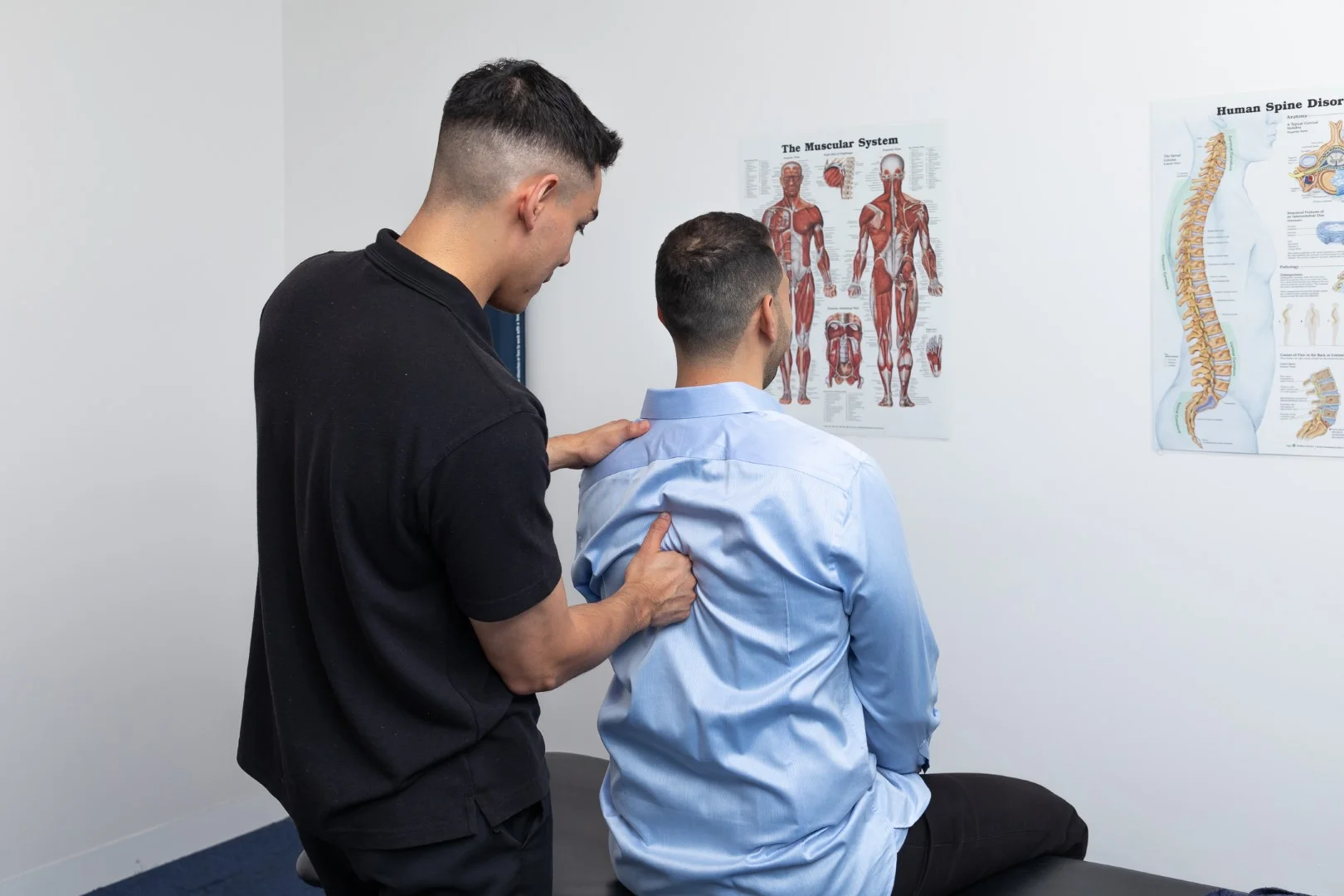
chiropractor assessing mid back posture and spinal alignment

What Conditions Does Chiropractic Care Actually Help

The evidence base for chiropractic effectiveness is strongest for musculoskeletal conditions of the spine. The research that exists is consistent enough that several major health bodies, including the Australian Government’s health information services, include chiropractic as a recommended option for these presentations.

Lower back pain  has the strongest evidence base. A 2019 Cochrane review analysed 47 randomised controlled trials involving over 9,000 participants and found that spinal manipulation produces clinically meaningful improvements in pain and function for acute and chronic lower back pain. Lower back pain treatment addresses both the joint restriction and the muscular components of this presentation.

Neck pain is supported by a 2017 systematic review by Hidalgo and colleagues, which analysed 23 randomised controlled trials and found moderate to strong evidence that manual therapy combined with exercise outperforms either approach in isolation for pain, function, and patient satisfaction. Neck pain treatment follows this combined approach as standard.

Cervicogenic headaches are addressed directly by a 2012 systematic review by Chaibi and Russell, which analysed seven randomised controlled trials of spinal manipulative therapy and found statistically significant improvements in headache intensity, frequency, and duration. Some studies reported reductions in headache intensity of over 50%. Headache treatment that includes upper cervical assessment is the appropriate pathway for patients whose headaches originate from neck restriction.

Beyond these primary conditions, chiropractic is also used for whiplash, joint stiffness, sports injuries, and as part of broader postural correction and rehabilitation programmes.

Who Should Not Receive Chiropractic Care

Chiropractic care is appropriate for the large majority of adults presenting with musculoskeletal complaints. There are, however, specific presentations where treatment should be modified or avoided entirely.

Absolute contraindications, situations where spinal manipulation should not be applied, include suspected or confirmed spinal fracture, severe osteoporosis with significant fracture risk, active spinal infection, inflammatory arthritis in acute flare, and spinal cancer. These conditions are screened for during the initial assessment at every reputable clinic.

Relative contraindications, situations where treatment requires modification rather than avoidance, include recent spinal surgery, severe disc herniation with active neurological compromise, and pregnancy. Pregnancy is worth addressing specifically: the research indicates that chiropractic care during pregnancy is safe when appropriate modified techniques are used, and many pregnant patients find it helpful for the lower back and pelvic pain that commonly develops across the second and third trimesters.

The purpose of the initial assessment at Spine and Posture Care is to identify exactly where each patient sits across this spectrum before any treatment is applied.

How Australian Chiropractors Are Trained and Regulated

Chiropractic in Australia is a government-regulated health profession. All practising chiropractors must be registered with the Chiropractic Board of Australia, which operates under the Australian Health Practitioner Regulation Agency, the same regulatory body that governs medical practitioners, physiotherapists, and other registered health professionals.

Registration requires completion of an accredited five-year university degree covering anatomy, physiology, pathology, biomechanics, neurology, radiology, clinical examination, differential diagnosis, and supervised clinical practice. Chiropractors cannot register, and cannot practise, without meeting these requirements and maintaining ongoing professional development obligations.

The regulatory framework matters for patients because it means that a registered chiropractor in Australia has met nationally standardised educational requirements, is subject to professional codes of conduct, and can be reported to and investigated by AHPRA if standards are not met. Patients do not need a GP referral to see a chiropractor, though the Medicare Chronic Disease Management program can contribute to costs when a GP referral is in place.

If safety questions are the thing standing between you and getting the help your spine needs, the right next step is a conversation. We are offering initial assessments at Macquarie Street and Barangaroo Avenue in Sydney CBD. Call +61 2 8040 9922 or contact us to ask any questions before booking.

What Happens at a First Visit at Spine and Posture Care

Understanding what actually happens at a first chiropractic visit removes much of the uncertainty that underlies safety concerns. No treatment is applied at the first visit without a full assessment and the patient’s informed consent.

The first visit at Spine and Posture Care begins with a comprehensive case history covering the presenting complaint, relevant medical history, medication use, and any prior investigations or treatment. This history is specifically designed to identify any contraindications or factors that require modified treatment approaches.

The physical assessment follows and includes postural analysis, spinal range of motion testing, orthopaedic examination of the affected regions, and neurological screening. For patients with neck or headache presentations, upper cervical assessment is included. For patients with lower back or leg symptoms, lumbar and sacropelvic assessment is included.

At the conclusion of the assessment, the findings are explained clearly: what has been identified, what treatment is appropriate, what the expected timeline looks like, and what the alternatives are. No care plan is recommended before this explanation is complete and questions have been answered. Treatment begins at the second visit or, if the patient and chiropractor agree it is appropriate, at the end of the first visit following the assessment.

Chiropractic vs Other Treatment Options for Back and Neck Pain

Factor Chiropractic Care NSAIDs Surgery
Evidence for lower back pain Strong: Cochrane review 2019, 47 RCTs Moderate: short-term pain relief only Reserved for specific structural indications
Risk of serious complication 1 in 100,000 to 1 in 5.85 million treatments 1 in 25 to 1 in 50 users per year (GI complications) Significant: infection, nerve damage, failed outcomes
Addresses the mechanical cause Yes: joint restriction and soft tissue No: symptom management only Yes: for structural indications only
Drug-free Yes No No
Suitable for long-term use Yes: with periodic reassessment No: GI and cardiovascular risk increases with duration Not applicable
Requires referral in Australia No No (OTC) Yes
Private health rebate available Yes: most extras policies Not applicable Yes: through hospital cover

Conclusion

The research on chiropractic safety is clear, consistent, and considerably more reassuring than public perception often suggests. Serious complications are extremely rare. They are rarer than those associated with the medication alternatives most patients consider safer by default. Mild, temporary side effects are common and resolve quickly. The conditions most commonly treated, including lower back pain, neck pain, and cervicogenic headaches, have meaningful evidence supporting chiropractic as an effective intervention.

What matters most for individual patients is that treatment is delivered by a qualified, AHPRA-registered practitioner who conducts a proper assessment before applying any treatment. We follow this process without exception. Every patient is assessed, every contraindication is screened for, and no treatment plan is recommended without a full clinical picture and the patient’s informed agreement.

Ready to Get Started? An initial assessment answers every question better than any article can. Spine and Posture Care is available at Macquarie Street and Barangaroo Avenue in Sydney CBD. Call +61 2 8040 9922 or book through the new patient offer today.

Frequently Asked Questions

Is chiropractic care safe for older adults? 

Yes, with appropriate modification. Older adults are assessed for osteoporosis, joint degeneration, and medication use before treatment begins. Where high-velocity manipulation is not appropriate, gentler mobilisation and soft tissue techniques are used instead.

Can I see a chiropractor without a GP referral in Australia?

 Yes. Chiropractors are primary contact practitioners in Australia and no referral is required. A GP referral may be relevant if seeking the Medicare Chronic Disease Management program to contribute to costs, but is not needed for a standard private consultation.

How does chiropractic compare to physiotherapy for back pain?

 Both address musculoskeletal conditions and share some techniques. Chiropractic places greater emphasis on specific spinal adjustment to restricted joints. Physiotherapy focuses more on rehabilitation exercise. Many patients benefit from both, and Spine and Posture Care refers to physiotherapy where clinically appropriate.

Will I need to keep coming back indefinitely? 

No. Care plans at Spine and Posture Care have defined goals and are reviewed systematically. Once the presenting complaint resolves and tools to maintain spinal health are in place, visit frequency reduces. Ongoing maintenance is the patient’s choice, made with full information.

Is chiropractic covered by private health insurance in Australia? 

Most Australian extras policies include chiropractic cover. Rebate amounts vary by fund and tier. Medicare does not cover standard consultations, though the Chronic Disease Management program may contribute with a GP referral. A receipt is provided after every visit for direct fund submission.

The post Is Chiropractic Safe? Addressing the Most Common Concerns appeared first on Spine and Posture Care.


from Spine and Posture Care https://ift.tt/Z8gFsxm
via IFTTT

Can You Fix Bad Posture as an Adult? What the Science Says

Years of desk work, phone use, and commuting leave a mark on the spine that trying harder to sit up straight does not fix. Posture Correction Sydney is one of the most common reasons adults present to Spine and Posture Care in Sydney CBD, many having already tried reminders, braces, and stretching with no lasting result. 

This guide explains what the science actually says about reversing bad posture as an adult, and what a structured correction programme involves.

Bad Posture Is Not a Habit Problem, It Is a Neuromuscular One

Bad posture in adults is not primarily a matter of effort or awareness. The deeper cause is a shift in how the neuromuscular system has learned to hold the body upright over years of repeated positions.

The body learns movement and postural patterns through a process called motor learning. When a position such as sitting with the head forward and shoulders rounded is repeated thousands of times over months and years, the nervous system encodes it as the default. The superficial muscles that were never designed for sustained postural work take over and fatigue quickly, producing the aching and stiffness most adults associate with poor posture.

Simultaneously, the spinal joints in the thoracic and cervical spine gradually lose range of motion from sustained compression and lack of movement through their full range. Restricted joints cannot move into alignment even when the muscles attempt to hold the body upright. This is why simply trying to sit up straight feels effortful and unsustainable. The mechanical restriction in the joints prevents it from feeling natural.

Bad Posture Can Be Reversed in Adults and Here Is What the Research Shows

Yes. The research is clear that postural patterns established over years can be changed in adults, though the process requires more than passive correction. The key principle from motor learning research is that the nervous system retains plasticity throughout adult life. New movement patterns can be established at any age provided the right stimulus is applied consistently and the underlying mechanical restrictions are addressed.

The distinction that matters is between structural changes and functional changes. Structural changes, such as degenerative disc changes, significant kyphotic curvature from long-standing compression, or Scheuermann’s disease, place limits on how much correction is achievable. Functional changes, including muscle weakness, joint restriction, and habitual motor patterns, are all fully reversible. The vast majority of adults presenting with poor posture have predominantly functional changes, not structural ones.

For a thorough overview of what posture and spinal health research shows about long-term outcomes, the clinical evidence consistently supports structured intervention over passive observation. Adults in their 40s, 50s, and 60s who undertake a structured posture correction programme show meaningful improvements in spinal alignment, pain levels, and functional capacity when the programme addresses both the mechanical restrictions and the muscular re-education components together.

How Long Does Posture Correction Actually Take for Adults

Timeline expectations are one of the most important things to establish before beginning any posture correction programme. Unrealistic expectations in either direction, expecting change in two weeks or assuming nothing can change, are both obstacles to successful outcomes.

Functional improvement in pain, stiffness, and comfort typically begins within four to eight weeks of consistent treatment and exercise. Patients notice that sustained positions feel less effortful, that the urge to slump returns less quickly, and that morning stiffness reduces. These changes reflect early neuromuscular adaptation. The nervous system is beginning to accept the new pattern as a viable default.

Structural re-education, where the joints have regained full range of motion and the postural pattern is maintained through daily activities without reminders, typically takes three to six months. The timeline is influenced by how long the postural pattern has been established, whether joint restriction is present and how many segments are affected, the consistency of the home exercise programme, and how much the daily environment reinforces the old pattern.

Office worker sitting with poor posture while using a desktop computer

What Years of Poor Posture Actually Do to Your Neck

Forward head posture is the cervical component of poor postural alignment and it has a measurable mechanical effect on the neck. For every centimetre the head shifts forward of the shoulders, the load on the cervical spine increases significantly. At a 45-degree forward tilt, the effective weight of the head on the cervical joints reaches over 20 kilograms, compared to approximately 5.5 kilograms in neutral alignment.

The sustained compression and restriction that results from this forward position affects the upper cervical joints at C1 to C3 in particular. These joints share a nerve communication pathway with the trigeminal nerve, meaning restriction in this region refers to pain forward to the head and produces cervicogenic headache alongside neck pain. The deep neck flexor muscles that are designed to maintain cervical alignment progressively weaken through disuse as the forward head position becomes habitual.

Patients presenting to Spine and Posture Care with chronic neck pain, frequent headaches, and upper trapezius tension almost always have a forward head posture component that drives all three symptoms. Treating the neck in isolation without correcting the postural driver produces only partial and temporary improvement.

What Years of Poor Posture Actually Do to Your Back

The thoracic and lumbar spine bear the compressive load that follows from altered postural alignment. When the head moves forward and the shoulders round, the thoracic spine increases its kyphotic curve and the lumbar spine either flattens or hyperextends to compensate. Neither compensatory pattern is load-neutral. Both increase pressure on the intervertebral discs and facet joints beyond their intended load capacity.

The lumbar compensation pattern is the most clinically significant for lower back pain presentations. A flattened lumbar curve removes the natural load-distribution function of the lumbar lordosis, concentrating stress on the posterior disc and facet joints. A hyperextended compensation pattern overloads the lumbar facet joints directly. Both patterns contribute to the chronic low-grade lower back pain and end-of-day fatigue that desk workers in Sydney CBD consistently describe.

The thoracic spine is the segment most commonly overlooked in postural correction programmes. Thoracic joint restriction is both a consequence of sustained flexed posture and a mechanical barrier to correction. Addressing thoracic mobility is a prerequisite for achieving lasting improvement in cervical and lumbar alignment. The segments above and below cannot hold a corrected position when the middle of the spine is immobile.

Why Desk Work and Screen Time Make Posture Worse Over Time

The relationship between screen use and postural collapse is now one of the most documented areas of musculoskeletal research. The modern Sydney CBD work pattern of eight or more hours daily at a computer, followed by several hours of phone and tablet use, creates a cumulative postural load that the spine was not designed to sustain.

The specific problem is not simply the number of hours but the static nature of the position. When the body holds a sustained posture, the deep stabilising muscles fatigue and disengage progressively. The postural load shifts to passive structures, including ligaments, joint capsules, and discs, which are not designed for sustained load-bearing. Over months and years, this pattern progressively reshapes the resting position of the spine toward the held posture.

Understanding tech neck, the cervical manifestation of screen-related postural collapse, explains why so many Sydney CBD desk workers present with both neck and lower back symptoms simultaneously. The postural chain from the cervical spine to the lumbar spine is connected, and the screen-driven forward head position at the top of the chain affects every segment below it.

Why Stretching Alone Is Not Enough to Fix Bad Posture

Stretching is the most commonly recommended self-management strategy for poor posture and the one with the least standalone evidence for lasting change. The reason is mechanical: stretching addresses muscles that have shortened and tightened through sustained posture, but it does not address the muscles that have weakened and lengthened.

The deep stabilising muscles, including the deep neck flexors, lower and middle trapezius, deep lumbar multifidus, and transversus abdominis, become progressively inhibited through disuse in poor postural positions. These muscles do not respond to passive stretching because they are not tight. They respond to progressive loading through specific activation exercises that target the motor pattern directly.

A posture correction programme that consists only of chest-opener stretches and upper trapezius releases will produce temporary symptomatic relief without changing the underlying weakness pattern. Within days of stopping the stretching routine, the tightness returns. The muscles causing the tightness are compensating for the weakness underneath, not simply overworked in isolation.

Posture that keeps reverting despite consistent effort is a sign the underlying restriction has not been addressed. Spine and Posture Care provides postural assessments across both Sydney CBD locations at Macquarie Street and Barangaroo Avenue. Call +61 2 8040 9922 or contact us to arrange an assessment today.

The 4 Things That Actually Produce Lasting Posture Change

Research and clinical practice consistently identify four components that produce lasting postural change when applied together. Missing any one of them is the most common reason posture correction programmes produce only partial results.

  1. Spinal joint mobilisation to restore restricted segments

Joint restriction in the thoracic and cervical spine prevents the body from holding a corrected posture even when the muscles attempt it. Specific chiropractic adjustment to restricted segments restores the mechanical range of motion that makes correct alignment accessible. Without this, exercise programmes target muscles that are working against an immovable mechanical barrier.

  1. Deep stabiliser activation and progressive loading

 The deep neck flexors, lower trapezius, multifidus, and transversus abdominis are the muscles that actually hold posture through daily activity. They respond to specific low-load activation exercises that teach the nervous system to recruit them reliably. Progressive loading over weeks and months builds the endurance capacity required for sustained postural support through a full working day.

  1. Motor pattern re-education through repetition

 Changing a postural pattern requires replacing the existing motor programme with a new one through repetition. This is the neuroplasticity component. The nervous system encodes the corrected position as the new default. It requires consistent daily practice of the correct position across multiple contexts, not just during exercise sessions.

  1. Environmental modification

 The daily environment reinforces the old postural pattern for eight or more hours a day. Screen height, chair setup, commuting posture, and phone holding habits all feed back into the pattern the nervous system is being asked to replace. Environmental changes that reduce the compressive load of the old pattern allow the new pattern to consolidate faster.

Comparison Criteria Self-Management Professional Posture Correction at Spine and Posture Care
Addresses joint restriction No Yes: specific assessment and adjustment
Targets deep stabilisers Partially: generic exercises Yes: prescribed to each patient’s pattern
Motor re-education Limited: no external feedback Yes: guided and progressed across sessions
Environmental assessment Self-directed Yes: workstation and lifestyle review
Identifies structural vs. functional limits No Yes: full assessment before treatment
Timeline to lasting change Unpredictable 3 to 6 months with structured programme

What Posture Correction Looks Like at Spine and Posture Care

The posture correction process at Spine and Posture Care as a Sydney chiropractor begins with a full postural and spinal assessment before any treatment is applied. The assessment covers standing and seated postural analysis, cervical and thoracic range of motion testing, deep stabiliser muscle assessment, and identification of restricted spinal segments in the thoracic, cervical, and lumbar spine.

The findings determine the treatment approach. For most adults with long-standing poor posture, the first priority is restoring restricted joint mobility in the thoracic spine. This is the mechanical prerequisite for everything that follows. Specific chiropractic adjustments are applied to the segments with the greatest restriction, followed by soft tissue work to the muscles that have compensated and tightened around those restrictions.

The exercise prescription is built from the assessment findings rather than from a generic posture programme. Deep neck flexor activation, lower and middle trapezius loading, thoracic extension work, and lumbar stabilisation exercises are prescribed and progressed based on what each patient’s neuromuscular assessment identifies as weak. Patients leave each session with a clear home programme that builds toward independent postural maintenance. Progress is reviewed systematically across the care plan, with adjustments made as joint mobility improves and deep stabiliser capacity develops.

Daily Habits That Speed Up Your Posture Correction Progress

The rate of improvement in any posture correction programme depends significantly on how much the daily environment works with the treatment or against it. Several daily habits consistently accelerate progress for Spine and Posture Care patients.

Raising the screen to eye level is the single most impactful environmental change for desk workers. It eliminates the sustained forward head angle that drives the cervical component of postural collapse for the majority of working hours. A monitor stand or laptop riser that positions the top of the screen at eye height removes the daily compressive load before it accumulates.

Taking a movement break every 45 minutes interrupts the static loading pattern that fatigues deep stabilisers and shifts load to passive structures. A two-minute break involving standing, walking, or a brief thoracic extension is more effective than a longer break taken less frequently. The goal is to prevent the deep stabilisers from disengaging entirely rather than recovering after they already have.

Practising chin tucks daily targets the deep neck flexors directly. Ten repetitions performed three times a day, drawing the chin straight back to create a brief double-chin position, activates the muscle group that sustained forward head posture most specifically inhibits. This simple exercise, done consistently, accelerates the cervical component of postural re-education faster than any passive treatment alone.

Conclusion

Bad posture in adults is not a permanent condition and it is not simply a matter of trying harder. The science of motor learning and neuroplasticity is clear: postural patterns established over years can be changed through a structured programme that addresses the mechanical restrictions, rebuilds the inhibited deep stabilisers, and replaces the encoded motor pattern through consistent repetition. What does not work is passive stretching, reminder-based correction, or any approach that treats posture as a conscious effort rather than an automatic neuromuscular programme.

Spine and Posture Care works with adults across Sydney CBD who have been dealing with the consequences of long-standing poor posture: chronic neck and lower back pain, frequent headaches, and the daily fatigue of a spine working inefficiently. The posture correction process starts with identifying exactly what has changed mechanically and building the programme from that assessment rather than applying a generic protocol.

Ready to Get Started? Posture correction that produces lasting change starts with an accurate assessment. Spine and Posture Care is available at Macquarie Street and Barangaroo Avenue in Sydney CBD. Call +61 2 8040 9922 or book through the new patient offer
today.

Frequently Asked Questions

Can bad posture really be fixed after years of sitting incorrectly?

 Yes. Most adults have functional changes, including muscle weakness, joint restriction, and habitual motor patterns, rather than structural damage. Functional changes are fully reversible at any age with a programme that addresses joint mobility, deep stabiliser activation, and motor re-education together.

Why does my posture keep reverting even when I try to sit up straight? 

The most common reason is restricted thoracic joints that physically prevent correct alignment. The deep stabilising muscles have also become inhibited through disuse. Until both are addressed, postural correction relies entirely on conscious effort and reverts the moment attention shifts.

What is the difference between postural correction through chiropractic and physiotherapy?

 Chiropractic addresses joint restriction directly through spinal adjustment, which exercise alone cannot do. Restricted joints are a mechanical barrier to postural change regardless of muscle strength. A combined approach that restores mobility first and builds the muscular programme on top produces consistently better outcomes.

How many sessions does posture correction typically take?

 Most patients see initial improvement within four to six sessions. A standard care plan at Spine and Posture Care spans eight to twelve weeks of active treatment, followed by periodic maintenance. Patients who apply the home exercise programme consistently between sessions progress significantly faster.

Does poor posture cause headaches, and will correcting posture reduce them?

 Yes. Restricted joints at C1 to C3 refer pain forward through the trigeminal nerve, producing cervicogenic headache. This is a direct consequence of forward head posture. Restoring upper cervical mobility and rebuilding deep neck flexor support consistently reduces both headache frequency and severity.


The post Can You Fix Bad Posture as an Adult? What the Science Says appeared first on Spine and Posture Care.


from Spine and Posture Care https://ift.tt/bXCOmGt
via IFTTT

Monday, 27 April 2026

Tension Headaches vs Migraines: How to Tell Them Apart

That pressure building across the forehead after a long day at a desk. Is it a tension headache or the start of a migraine? Getting headache treatment Sydney patients actually need starts with answering that question correctly. 

At Spine and Posture Care in Sydney CBD, misidentified headaches are one of the most common reasons patients arrive having tried treatments that provided no lasting relief. This guide breaks down the key differences, explains the third headache type most people never hear about, and clarifies when professional assessment is the right next step.

Why These Two Headache Types Get Confused

Tension headaches and migraines are the two most common primary headache disorders worldwide. They share enough features that self-diagnosis is frequently wrong, even among people who have experienced both for years.

Both conditions can produce head pain, neck tightness, sensitivity to light, and fatigue. Both are triggered by stress, poor sleep, and prolonged sitting. Both can last for hours. In clinical practice, the overlap means many patients spend years treating one condition while the other drives the pain.

The confusion has real consequences. Treating a migraine with tension headache approaches produces minimal relief. Treating a cervicogenic headache as either a tension or migraine condition produces no relief at all. Accurate identification is the starting point for anything that actually works.

What a Tension Headache Actually Feels Like

A tension-type headache presents as a dull, constant ache or pressure rather than a throbbing pain. Most patients describe it as a tight band wrapped around the head, from the forehead to the back of the skull.

Key features of a tension headache include bilateral pain across both sides of the head, mild to moderate intensity, and muscle tenderness in the jaw, scalp, neck, and shoulders. The pain does not worsen with physical movement. Standing up and walking around does not intensify it. Nausea and vomiting are not features of a standard tension headache.

Tension headaches can last from 30 minutes to several days. Most people can continue daily activities during an episode, though concentration and comfort are affected. Common triggers include emotional stress, prolonged screen use, poor posture treatment issues like forward head posture, muscle strain from sitting, and eye strain.

Episodic tension headaches occur fewer than 15 days per month. Chronic tension-type headache occurs 15 or more days per month for at least three months and often signals underlying cervical spine involvement that standard pain relief does not address.

What a Migraine Actually Involves

A migraine is a neurological disorder, not simply a severe headache. It involves activation of the trigeminovascular system, changes in sensory processing, and altered brainstem function. The pain is typically moderate to severe, throbbing or pulsating, and most commonly felt on one side of the head, though bilateral migraine presentations exist.

The defining features that separate migraine from tension headache are the accompanying symptoms. Nausea and vomiting are common. Sensitivity to light, sound, and smell is characteristic. Pain worsens with physical activity. Many patients need to lie down in a darkened, quiet room. Migraine attacks last between 4 and 72 hours without treatment.

Approximately one in five migraine sufferers experiences aura, which produces visual disturbances such as flashing lights, zigzag lines, or blind spots that appear in the 20 to 60 minutes before the headache phase begins. Aura can also produce tingling or numbness in the face or arm.

Migraine subtypes include episodic migraine, chronic migraine, migraine with aura, hemiplegic migraine, and vestibular migraine. Women experience migraines approximately three times more often than men, with hormonal fluctuations a significant contributing factor.

Tension Headache vs Migraine | Spine and Posture Care

Tension Headache vs Migraine: Side-by-Side Comparison

Factor Tension Headache Migraine
Pain quality Dull, constant pressure or tightening Throbbing or pulsating
Pain location Both sides of the head Usually one side, can be bilateral
Intensity Mild to moderate Moderate to severe
Nausea or vomiting No Yes: common feature
Light and sound sensitivity Mild or absent Pronounced: often disabling
Worsens with movement No Yes
Aura No Present in approximately 20% of cases
Duration 30 minutes to several days 4 to 72 hours
Able to function during episode Usually yes Often no
Common triggers Stress, posture, screen use, muscle tension Hormones, sleep changes, sensory input, weather
Neck tightness Muscular origin Neurological: brainstem sensitisation

The Third Type Most People Miss: Cervicogenic Headache

Cervicogenic headache is a headache caused by dysfunction in the upper cervical spine, specifically the joints at C1, C2, and C3, rather than by a primary neurological or muscular process. It is frequently mistaken for both tension headache and migraine because it shares symptoms with each.

The mechanism is anatomical. The upper cervical joints share a nerve communication pathway with the trigeminal nerve through a structure called the trigeminocervical nucleus. When joints at C1 to C3 are restricted or irritated, pain signals travel through this shared pathway and refer forward to the head, producing pain at the base of the skull, across the forehead, behind the eyes, and into the temples.

Understanding the full range of neck pain causes helps clarify why cervicogenic headache is so frequently missed. Patients present with what appears to be a tension-type or migraine headache, take pain relief with limited success, and repeat the cycle indefinitely because the cervical joint driving the pain is never assessed.

Key features that suggest cervicogenic headache over tension or migraine include pain that is consistently one-sided, headaches that are triggered or worsened by specific neck movements or sustained postures, associated neck stiffness and restricted range of motion, and pain that refers from the base of the skull forward. Neck pain treatment assessment that includes the upper cervical spine is the appropriate step for anyone whose headaches fit this pattern.

Sydney CBD desk workers and commuters who spend hours daily in forward head posture are particularly susceptible to cervicogenic headache. The postural load on the upper cervical joints from sustained screen use creates the exact pattern of joint restriction that drives this headache type.

When a Tension Headache Is Actually a Migraine

Not every migraine presents with throbbing pain, aura, or severe nausea. Some migraine attacks produce pressure-like discomfort that feels identical to a tension headache. These presentations lead patients, and sometimes clinicians, to categorise the episode as tension-type and treat accordingly.

Indicators that a presumed tension headache may actually be a migraine include episodes that consistently last longer than a few hours, any degree of light or sound sensitivity even if mild, pain that requires lying down to manage, episodes that follow a predictable pattern related to sleep disruption or hormonal changes, and headaches that respond poorly to standard tension headache approaches.

The overlap is clinically significant. Many patients experience both conditions in the same month, and some experience both in the same episode. Self-diagnosis in this context is unreliable. The pattern of headache across multiple episodes, not the features of a single attack, is what allows accurate identification.

The Risk of Treating the Wrong Headache

Misidentifying headache type leads to two specific problems that make the condition worse over time.

The first is ongoing treatment failure. Tension headache approaches applied to a migraine or cervicogenic headache produce incomplete or no relief. Patients escalate to stronger pain relief without improvement.

The second is medication overuse headache. Taking pain relief medication more than two to three days per week consistently, regardless of the headache type, causes the nervous system to become progressively more reactive. Headaches increase in frequency. The medication that once provided relief now triggers a rebound headache as it wears off. Up to 80% of patients with chronic migraine have a history of overusing pain relief medication.

Breaking this cycle requires identifying the correct headache type first, then applying the appropriate treatment rather than continuing to manage symptoms with medication alone.

Headaches that keep returning despite pain relief are worth investigating properly. Spine and Posture Care assesses headache patterns across both Sydney CBD locations at Macquarie Street and Barangaroo Avenue. Call +61 2 8040 9922 or contact us to arrange an assessment.

How Spine and Posture Care Approaches Headache Treatment

The headache assessment at Spine and Posture Care begins with a detailed case history covering headache pattern, frequency, duration, associated symptoms, and triggers. No two headache presentations are identical and the history is what separates accurate diagnosis from guesswork.

The physical assessment includes cervical range of motion testing, upper cervical joint assessment at C1 to C3, postural analysis, and neurological screening. For patients presenting with features of cervicogenic headache, the focus is on identifying which specific joints have restricted movement and whether that restriction is producing the referred pain pattern the patient describes.

Treatment for tension-type and cervicogenic headaches typically combines specific chiropractic adjustment to restricted cervical segments, soft tissue work to the suboccipital and upper trapezius muscles, postural correction targeting forward head position, and a home exercise programme for deep neck flexor strengthening. For patients whose headaches have a migraine component, the approach addresses the cervical contribution to brainstem sensitisation alongside lifestyle trigger identification.

Progress is reviewed systematically. The goal at Spine and Posture Care is not indefinite passive treatment. It is resolving the structural driver and equipping patients to manage recurrence independently.

Conclusion

Tension headaches, migraines, and cervicogenic headaches share enough features that distinguishing between them without assessment is often not possible. The consequences of misidentification, including months of ineffective treatment, escalating medication use, and worsening headache frequency, are common and entirely avoidable with the right diagnostic approach.

Spine and Posture Care works with headache patients across Sydney CBD whose symptoms have not responded to standard approaches. Identifying whether the upper cervical spine is contributing to the headache pattern is frequently the missing step. For patients whose headaches follow long periods of screen use or forward posture, the related guide on tech neck and neck-driven headaches explains how the postural load from daily device use creates the cervical conditions that drive this pattern.

Ready to Get Started? Stop guessing which headache type is causing the problem. Spine and Posture Care is available at Macquarie Street and Barangaroo Avenue in Sydney CBD. Call +61 2 8040 9922 or book through the new patient offer today.

Frequently Asked Questions

Can a migraine feel exactly like a tension headache?

 Yes. Some migraines produce pressure rather than throbbing, making them feel like tension headaches. Mild light sensitivity may be the only difference. Pattern across multiple episodes matters more than the features of a single attack.

What is a cervicogenic headache and how is it different?

 A cervicogenic headache originates from restricted joints in the upper cervical spine at C1 to C3. Pain refers forward to the head through a shared nerve pathway. It is one-sided, posture-linked, and does not respond to standard headache medication.

How long do tension headaches last compared to migraines? 

Tension headaches last 30 minutes to several days and most people can function during them. Migraines last 4 to 72 hours and are often disabling. Chronic tension headache more than 15 days per month usually signals underlying cervical spine involvement.

Is headache treatment covered by private health insurance in Australia? 

Most Australian extras policies include chiropractic care covering headache treatment. Rebate amounts vary by fund and tier. Medicare does not cover standard consultations. A receipt is provided after every visit for direct fund submission.

Can desk work in Sydney CBD make headaches worse? 

Yes. Prolonged forward head posture compresses the upper cervical joints and tightens the suboccipital muscles. Both directly contribute to cervicogenic and tension-type headaches. Screen-heavy workers in Sydney CBD are among the most common presentations seen at the clinic.


The post Tension Headaches vs Migraines: How to Tell Them Apart appeared first on Spine and Posture Care.


from Spine and Posture Care https://ift.tt/MSdbsUi
via IFTTT

Tech Neck: Why Your Neck Hurts After Scrolling on Your Phone

That tight, heavy feeling at the base of the skull after an hour of scrolling. Getting neck pain treatment in Sydney is one of the most common reasons patients walk through the doors at Spine and Posture Care in Sydney CBD.

 With Australians spending an average of 5.5 hours on their phones every day, the spine absorbs more forward load than at any other point in history. This guide explains exactly what tech neck is, why it keeps coming back, and what actually fixes it beyond stretching and taking breaks.

What Is Tech Neck?

Tech neck is a repetitive stress condition caused by holding the head in a forward and downward position for extended periods while using a phone, tablet, laptop, or computer. The term covers a range of symptoms from neck stiffness and shoulder tension through to headaches, arm numbness, and referred pain further down the spine.

It is not a new injury in the traditional sense. There is no single moment of damage. Tech neck develops through accumulated load on the cervical spine over weeks and months of repeated posture patterns, and that accumulated load is what makes it harder to resolve with simple stretches alone.

What Causes Tech Neck?

The human head weighs approximately 5.5 kilograms in a neutral, upright position. Every 15 degrees the head tilts forward, the effective load on the cervical spine increases by 6.5 to 7 kilograms. At 45 degrees of forward tilt, the typical angle for looking down at a phone, the neck is managing over 20 kilograms of force.

Now apply that across a 5.5-hour daily average. The cervical spine absorbs that elevated load for the equivalent of a full working day, every day. The joints, ligaments, and muscles supporting the neck are not designed for that pattern of sustained stress.

The deeper issue is that this posture does not just compress the neck. It pulls the head forward of the body’s centre of gravity, shifting the entire load-bearing pattern of the spine. Understanding the full range of neck pain causes helps explain why tech neck can produce symptoms well beyond the neck itself.

Symptoms of Tech Neck

Tech neck produces a range of symptoms that vary in intensity depending on how long the condition has been developing. Common presentations seen at Spine and Posture Care include:

  • Neck stiffness that is worse in the morning or at the end of a screen-heavy day
  • Aching or sharp pain at the base of the skull or across the shoulders
  • Tension or tightness across the upper trapezius and between the shoulder blades
  • Headaches originating at the base of the skull and radiating forward
  • Numbness, tingling, or weakness in the arms and hands
  • A persistent feeling of heaviness in the head
  • Mid and lower back pain from compensatory postural changes
  • Pain that worsens after long periods of sitting or commuting

The last two points are consistently underreported. Most patients present focused on the neck and shoulders, unaware that the mid-back aching and lower back fatigue they experience are part of the same postural pattern.

Neck Pain From Your Phone | Spine & Posture Care
 

How Tech Neck Affects Your Posture

Forward head posture is the postural signature of tech neck. For every centimetre the head shifts forward of the shoulders, the load on the cervical spine increases significantly. Over time, the deep neck flexor muscles, which hold the head in proper alignment, weaken through disuse. The upper trapezius and neck extensors compensate by working harder, creating the persistent tightness most patients describe.

As the head moves forward, the shoulders follow. The thoracic spine rounds, the chest tightens, and the lower back either flattens or hyperextends to compensate for the shifted centre of gravity. What begins as a neck issue becomes a full-spinal postural pattern.

Posture correction at Spine and Posture Care addresses the entire chain, not just the symptomatic area. Treating the neck in isolation without addressing the thoracic and lumbar compensation patterns is one of the reasons many patients see only partial or temporary improvement elsewhere.

Tech Neck and Headaches: The Connection Most People Miss

The link between tech neck and headaches is one of the most clinically significant aspects of the condition and the least discussed in general health content. The upper cervical joints, specifically C1, C2, and C3, share a nerve pathway with the trigeminal nerve, which supplies sensation to the head and face. Restriction or irritation in these joints produces referred pain that travels forward to the forehead, temples, and behind the eyes.

This is called a cervicogenic headache. It is not a tension headache in the conventional sense and it does not respond to the same treatments. Patients who take pain relief for what they believe are tension headaches often find only temporary relief, because the source of the pain is joint restriction in the upper cervical spine, not muscular tension in the scalp.

For Sydney CBD desk workers and commuters who experience frequent headaches alongside neck stiffness, a cervical assessment is the appropriate first step. Treating the joint restriction directly is what produces lasting change.

Why Tech Neck Gets Worse Over Time

There is an important distinction between acute tech neck and chronic tech neck that no competitor blog addresses clearly.

Acute tech neck is the stiffness and soreness that follows a heavy screen day. Rest, movement, and stretching can resolve it within 24 to 48 hours. Most people experience this and dismiss it as normal.

Chronic tech neck develops when the same postural load is repeated daily over months without being addressed. The deep neck flexor muscles progressively weaken. The cervical joints develop restricted movement patterns. The surrounding ligaments adapt to the forward head position, making it structurally harder to return to neutral. Stretching becomes less effective because the problem is now structural, not just muscular.

The lower back is also affected at this stage. The compensatory postural pattern that begins in the neck eventually loads the lumbar spine differently, contributing to the lower back pain from sitting pattern that is extremely common in Sydney CBD office workers.

5 Ways to Reduce Tech Neck at Home

These strategies reduce the daily load on the cervical spine and slow the progression of tech neck. They will not reverse structural changes but they are important as part of any management plan.

  1. Raise the screen to eye level. The single most effective postural change. Holding a phone at eye level eliminates the forward tilt angle almost entirely. For desk workers, a monitor or laptop stand that aligns the top of the screen with eye height removes the constant downward gaze.
  2. Take movement breaks every 45 minutes. Sustained static posture is more fatiguing than dynamic movement. Standing, walking, or doing a brief cervical retraction exercise every 45 minutes breaks the load pattern before it accumulates.
  3. Practice chin tucks daily. A chin tuck, where the chin draws straight back to create a double chin, activates the deep neck flexors that weaken through forward head posture. Ten repetitions, three times per day, targets the exact muscle group that tech neck progressively shuts down.
  4. Set screen time limits for high-risk apps. Social media scrolling produces the most sustained downward head position of any screen activity. Awareness tools built into iOS and Android can cap daily time on high-usage apps and reduce total cervical load.
  5. Address the thoracic spine. Tech neck is not only a cervical problem. Thoracic mobility work, including chest openers, thoracic extensions over a foam roller, and seated rotation exercises, reduces the rounding that drives the forward head position in the first place. For more on how posture habits develop and how to reverse them, the guide on correcting posture as an adult covers the full process.


Neck pain that keeps returning after a screen-heavy week is a signal worth acting on. Spine and Posture Care offers a neck assessment at Macquarie Street and Barangaroo Avenue in Sydney CBD. Call +61 2 8040 9922 or Contact us to identify the restriction and start the right treatment plan.

Self-Management vs. Professional Care

Factor Self-Management Chiropractic Care at Spine and Posture Care
Target Muscular tension and postural habits Specific restricted cervical joints identified through assessment
Relief duration Hours to days for acute symptoms Structural improvement accumulates across sessions
Addresses deep neck flexor weakness Partially, through exercises Yes: assessed and prescribed specifically
Addresses cervical joint restriction No Yes: targeted adjustment to restricted segments
Addresses thoracic compensation Partially, with mobility work Yes: full spinal assessment included
Identifies cervicogenic headache source No Yes: upper cervical assessment included
Assessment beforehand None Full postural, neurological, and spinal assessment
Suitable for chronic tech neck Limited Yes: appropriate for both acute and chronic presentations

How Spine and Posture Care Treats Tech Neck

The neck pain treatment in Sydney process at Spine and Posture Care begins with a thorough assessment before any treatment is applied. The first visit covers case history, postural analysis, cervical range of motion testing, and orthopaedic assessment to identify which joints are restricted, which muscles have weakened, and which compensatory patterns have developed in the thoracic and lumbar spine.

Treatment varies by presentation. For most tech neck patients, it combines specific chiropractic adjustments to restricted cervical and thoracic segments, soft tissue work to the upper trapezius and suboccipital muscles, and a prescribed home exercise programme targeting deep neck flexor strengthening. Patients presenting with cervicogenic headaches receive additional upper cervical assessment focused on C1 to C3.

Progress is reviewed at each visit. The goal is not ongoing passive treatment. It is restoring normal joint function, rebuilding the muscular support system, and giving patients the tools to manage screen load independently.

Conclusion

Tech neck is not a minor inconvenience that resolves with a weekend away from screens. For the majority of Sydney CBD workers spending 5 to 8 hours daily on devices, it is a cumulative structural problem that worsens progressively without the right intervention. The symptoms, including neck stiffness, shoulder tension, headaches, and arm referral, are the end result of months of compressive load on a spine that never gets the chance to fully recover.

Spine and Posture Care works with tech neck patients across Sydney CBD who have tried stretching, ergonomic adjustments, and pain relief without lasting results. Identifying the specific cervical joints that have lost normal movement, rebuilding the deep neck flexor strength that sustained screen use depletes, and correcting the thoracic compensation pattern is what produces change that holds. For anyone whose neck symptoms extend to the lower back, the related guide on lower back pain from sitting explains how the two conditions are connected.

Ready to Get Started? Stop managing tech neck one stretch at a time. Spine and Posture Care is available at Macquarie Street and Barangaroo Avenue in Sydney CBD. Call +61 2 8040 9922 or book a neck assessment today.

Frequently Asked Questions

What is the difference between a tech neck and a regular stiff neck?

 A regular stiff neck follows a single event like sleeping awkwardly or a sudden movement. Tech neck is a repetitive stress condition from sustained forward head posture. It returns consistently and worsens over time without treating the structural cause.

Can tech neck cause headaches? 

Yes. Restriction in the upper cervical joints refers pain forward through the trigeminal nerve pathway, producing cervicogenic headaches. These are distinct from tension headaches and do not fully resolve with pain medication alone.

How long does tech neck take to resolve with chiropractic care?

 Acute tech neck often improves within three to six sessions. Chronic cases with joint restriction and muscle weakness developed over months typically need eight to twelve sessions plus a consistent home exercise programme.

Is tech neck covered by private health insurance in Australia?

 Most Australian extras policies include chiropractic care covering tech neck treatment. Rebate amounts vary by fund and tier. Medicare does not cover standard consultations. A receipt is provided after every visit for direct fund submission.

Can desk workers in Sydney CBD prevent tech neck from returning after treatment? 

Yes. Raised screen height, regular movement breaks, daily deep neck flexor exercises, and periodic chiropractic check-ins are the most effective combination. Patients who maintain the home exercise programme consistently report significantly fewer recurrences.

The post Tech Neck: Why Your Neck Hurts After Scrolling on Your Phone appeared first on Spine and Posture Care.


from Spine and Posture Care https://ift.tt/fUC9dNF
via IFTTT

Sunday, 26 April 2026


Pain Free and Posture Perfect: How Spine and Posture Care Is Changing the Way Sydney Heals

About Spine and Posture Care 

Spine and Posture Care is a chiropractic clinic based in Sydney CBD, with a second location in Barangaroo. We have been serving Sydney since 2013 with one clear mission: find the root cause of your pain and keep it gone for good.

Our clinic was founded by Dr. Mark El-Hayek, head chiropractor and owner, after he noticed a direct link between the amount of time people spent sitting at work, the changes it caused to their posture, and the pain they experienced as a result. Given that Sydney CBD is largely made up of desk-based professionals, it came as no surprise that most patients were walking in with poor posture. That observation became the foundation of everything we do.

Dr. Mark holds a Bachelor of Medical Science from the University of Western Sydney, majoring in anatomy, physiology, and neurobiology, along with a Masters of Chiropractic from Macquarie University. He is joined by a team of qualified chiropractors, each holding Bachelor and Master of Chiropractic degrees from Macquarie University and fully registered with the Australian Health Practitioner Regulation Agency (AHPRA).

What We Treat

Lower Back Pain

Lower back pain is one of the most common conditions we see. When you start feeling pain while sitting, standing, or exercising, it can quickly affect your daily life. We identify which joints and muscles have been aggravated and create a treatment plan that addresses the problem directly, not just the discomfort you feel on the surface.

Neck Pain

Neck pain that locks up, limits movement, or causes recurring stiffness is often tied to changes in spinal function over time. Our chiropractors assess how the neck is moving and where surrounding muscles are compensating, then treat those specific areas to restore proper movement.

Mid Back Pain

Mid back pain is frequently linked to prolonged sitting and poor spinal support. We look at how the full spine is functioning and identify where restrictions have developed so treatment is targeted and effective.

Sciatica

Sciatic nerve pain in the leg can be debilitating. We work to find the root cause in the spine, identify which nerves are affected, and apply treatment to reduce the compression and discomfort causing the problem.

Bulging and Slipped Discs

Whether the disc is in the neck or lower back, a bulging or herniated disc requires careful assessment. Our chiropractors perform muscle, nerve, and reflex examinations alongside movement tests to determine how the disc is affecting the body, then apply targeted spinal treatment to relieve pressure and reduce pain.

Headaches and Migraines

Many headaches originate from tension and restriction in the upper neck, not just from stress or dehydration. We look at how spinal function in that area is contributing to the pattern and treat it directly.  


Poor Posture and Posture Correction 

Poor posture is not fixed by simply sitting up straight. Forcing the body into an upright position without addressing the underlying cause can create muscle tension and lead to further injury. Our approach begins with an accurate postural assessment so that treatment, exercises, and rehabilitation are specific to the changes in your body. The goal is for good posture to become a natural habit, not something you have to constantly think about.

How We Work

Finding the Cause, Not Just the Symptom

Our entire model is built on the belief that there is no point treating what you feel without understanding why you feel it. Every patient goes through a thorough initial consultation that includes history taking, a full spine examination, orthopedic and neurologic testing, digital posture analysis, and an accurate diagnosis. Where required, X-ray imaging is also arranged.

Treatment typically includes gentle joint movements to increase motion and reduce stiffness, muscle releases to address tension, and exercise or rehabilitation to strengthen areas contributing to the problem.

Personalized Care

Treatment is not the same for every person. We develop plans specific to your diagnosis, your lifestyle, and your goals, whether that means getting back to running, training in the gym, or simply sitting comfortably at a desk without pain.

Free 15-Minute Phone Consultation

We understand it can be hard to know where to start. That is why we offer a free 15-minute phone consultation with one of our chiropractors. It gives you the chance to describe your problem and get clear advice on what you can do about it before committing to anything.

Our Locations and Accessibility

We operate from two Sydney locations. Our main clinic sits at Level 4, Suite 4.02, 139 Macquarie Street, Sydney NSW 2000, right in the centre of the CBD. Our Barangaroo clinic serves professionals in that precinct who need accessible, nearby care.

We accept all private health insurance with on-the-spot HICAPS claims, covering providers including Bupa and HCF. Bulk billing is also available for patients with a GP referral through the Enhanced Primary Care (EPC) program, applicable to a maximum of four treatments for chronic conditions.

What Makes Us Different

We do not simply chase your symptoms. Over 3,700 people in Sydney have come through our doors, and the results our patients report, from corrected posture to long-term relief from chronic back and neck pain, reflect a model built on honesty, thoroughness, and genuine care. We are upfront about what we can and cannot help with, and if your problem falls outside our scope, we will point you toward someone who can assist.

Our team operates with one goal: get you back to feeling your best as quickly and effectively as possible, and make sure the pain does not keep coming back.

Spine and Posture Care
Phone: +61 2 8040 9922
Email: info@spineandposturecare.com.au 
Website: https://spineandposturecare.com.au/
Location: Level 4, Suite 4.02/139 Macquarie St, Sydney NSW 2000, Australia
Business Hours: Monday to Friday: 7:00 am – 7:00 pm | Saturday: 9:00 am – 1:00 pm

Follow Us:
Facebook
Twitter
Instagram
Tumblr
Medium


What to Expect at Your First Chiropractic Appointment in Sydney

First chiropractic appointments in Sydney generate a consistent set of questions before patients even walk through the door. Will it hurt? W...