Wednesday, 20 May 2026

Bulging Disc vs Herniated Disc: What Is the Difference and Which Is Worse

A bulging disc and a herniated disc are not the same injury. The terms are used interchangeably online, but the structural damage, the pain pattern, and the treatment approach differ between the two. 

Spine and Posture Care provides bulging disc treatment in Sydney for both types. Understanding the difference helps patients and clinicians choose the right recovery path from the start.

What Is a Spinal Disc

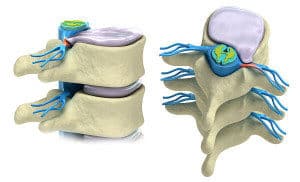
A spinal disc sits between each pair of vertebrae in the spine. It absorbs shock and allows movement. Each disc has two parts. The outer ring is the annulus fibrosus. It consists of tough, layered collagen fibres that hold the disc in place. The inner core is the nucleus pulposus. It contains a soft, gel-like substance that distributes pressure evenly across the disc.

The spine has 23 discs in total. Six sit in the cervical spine (neck), twelve in the thoracic spine (mid-back), and five in the lumbar spine (lower back). The lumbar discs at L4-L5 and L5-S1 bear the most weight. They also handle the most rotational force. That combination makes them the most common site for disc injury.

What Is a Bulging Disc

A bulging disc occurs when the outer wall of the disc extends beyond its normal boundary. The annulus fibrosus stretches outward but remains intact. No tear forms. No inner material escapes. The disc simply pushes out, usually in a broad, even pattern that affects a large portion of the disc circumference.

A bulging disc is a contained disc injury. The nucleus pulposus stays inside the annulus. The bulge itself may be small and produce no symptoms at all. Research published in the American Journal of Neuroradiology found that disc bulges are present in 30% of 20-year-olds and up to 84% of adults over 80 on MRI. Many of those individuals experience no pain.

Bulging discs develop gradually. Repetitive loading, prolonged sitting, and age-related dehydration of the disc tissue weaken the outer wall over months and years. The disc slowly loses height and spreads outward under the weight it carries daily.

What Is a Herniated Disc

A herniated disc is a more advanced injury. The annulus fibrosus tears or cracks. The soft nucleus pulposus pushes through the tear and escapes into the spinal canal. This is a non-contained disc injury.

The escaped material can press directly on a spinal nerve root. It also releases inflammatory chemicals including cytokines and phospholipase A2. These chemicals irritate the nerve sheath and amplify the pain signal. A herniated disc produces both mechanical compression and chemical irritation. That combination explains why herniated discs tend to cause sharper, more intense symptoms than bulging discs.

Spine and Posture Care sees both types at the Macquarie Street and Barangaroo clinics. A herniated disc can result from a sudden event like heavy lifting with poor form, a fall, or a sports collision. It can also develop from a bulging disc that continues to weaken until the annulus finally tears.

How Each Type Affects the Spine Differently

The core difference between a bulging disc and a herniated disc is containment. A bulging disc is contained. A herniated disc is not.

That distinction changes the way the disc interacts with surrounding structures. A bulging disc pushes outward evenly and may not contact a nerve root at all. When it does, the compression is typically mild and gradual. Recognising bulging disc symptoms in the lower back early allows treatment to begin before the bulge progresses to a herniation.

A herniated disc is focal. The tear allows inner material to escape at a specific point. That material often presses directly on a single nerve root. The nerve responds with sharp, radiating pain, numbness, and weakness in the area it supplies.

Bulging Disc vs Herniated Disc Comparison

Feature Bulging Disc Herniated Disc
Outer wall (annulus) Intact, stretched Torn or cracked
Inner material (nucleus) Contained Escaped through tear
Pattern of protrusion Broad, even bulge Focal, localised protrusion
Nerve compression Mild or absent Often direct and significant
Chemical irritation Minimal Inflammatory chemicals released
Pain severity Mild to moderate Moderate to severe
Onset Gradual over months or years Sudden or progressive
Visible on MRI Common incidental finding Usually symptomatic when found
Recovery timeline 4 to 8 weeks typical 6 to 12 weeks typical

Which Is Worse: Bulging Disc or Herniated Disc

A herniated disc is generally more severe than a bulging disc. The combination of structural failure, direct nerve compression, and chemical inflammation produces a more intense symptom profile. A herniated disc is more likely to cause sciatica, arm pain, numbness, and muscle weakness.

That said, a bulging disc is not harmless. A large bulge in a narrow spinal canal can compress multiple nerve roots. A bulging disc at L4-L5 in a patient with pre-existing spinal stenosis may produce symptoms as severe as a small herniation in a patient with a wide canal. The severity depends on the size of the disc injury, the width of the spinal canal, and the location of the affected nerve.

Spine and Posture Care assesses both factors during the initial consultation. Disc size alone does not determine the treatment plan. The clinical picture, including pain distribution, neurological signs, and functional limitations, guides every decision.

When a Bulging Disc Becomes a Herniation

A bulging disc can progress to a herniated disc. Ongoing mechanical stress from poor posture, repetitive bending, or heavy lifting continues to weaken the annulus fibres. If the weakened wall eventually tears, the contained bulge becomes an uncontained herniation. Early treatment of a bulging disc reduces the risk of that progression.
Bulging Disc vs Herniated Disc: Difference and Which Is Worse

Symptoms by Spinal Level: L4-L5, L5-S1, and Cervical

The symptoms of a bulging or herniated disc depend on which spinal level is affected and which nerve root is compressed.

L4-L5 Disc Injury

The L4-L5 level is the most mobile segment in the lumbar spine. A disc injury here compresses the L5 nerve root. Symptoms include pain radiating from the lower back through the buttock and down the outer leg to the top of the foot. Weakness in lifting the foot (foot drop) and difficulty walking on heels are common neurological signs. This level requires prompt sciatica treatment to prevent progressive nerve damage.

L5-S1 Disc Injury

The L5-S1 disc sits at the base of the lumbar spine where it meets the sacrum. A disc injury here compresses the S1 nerve root. Symptoms include pain radiating down the back of the leg to the heel and sole of the foot. Reduced ankle reflex and weakness in pushing off the toes during walking are typical findings. The L5-S1 disc bears the most compressive load in the spine and is the most common site for herniation.

Cervical Disc Injury

Disc injuries also occur in the neck, most commonly at C5-C6 and C6-C7. A cervical disc bulge or herniation compresses the nerve roots that supply the arm and hand. Symptoms include neck pain radiating into the shoulder and down the arm, numbness in the fingers, and grip weakness. Bulging disc symptoms in the neck often overlap with other cervical conditions and require a targeted assessment to confirm the source.

Disc pain affecting the back, neck, or legs? The team at Spine and Posture Care can determine the type and location of the disc injury and build a targeted recovery plan. Call (02) 8040 9922 or contact Spine and Posture Care to book an assessment at the Macquarie Street or Barangaroo clinic.

How Bulging and Herniated Discs Are Diagnosed

Diagnosis begins with a clinical examination. A chiropractor or physiotherapist tests spinal range of motion, nerve tension, reflexes, muscle strength, and sensation. Specific orthopaedic tests such as the straight leg raise and slump test help identify which nerve root is affected.

When Imaging Is Needed

MRI is the gold standard for visualising disc injuries. It shows the size and location of the bulge or herniation, the degree of nerve compression, and the condition of surrounding structures. X-rays do not show soft tissue and cannot confirm a disc injury directly. They can reveal disc height loss, bone spurs, and alignment changes that suggest disc degeneration.

Imaging is not always required. A clear clinical presentation with consistent neurological signs often provides enough information to start treatment. MRI becomes important when symptoms include progressive weakness, numbness that spreads, or bladder and bowel changes. The Cleveland Clinic notes that most herniated discs are diagnosed through clinical examination combined with imaging when symptoms are severe or persistent.

Treatment Options for Bulging and Herniated Discs

Conservative treatment resolves 80 to 90% of bulging and herniated discs without surgery. The approach depends on the type and severity of the disc injury.

Spinal Adjustments

Chiropractic spinal adjustments restore movement to restricted vertebral segments. Targeted adjustments reduce pressure on the affected disc and decompress the irritated nerve root. A randomised trial published in The Spine Journal found that spinal manipulation produced significant pain relief for acute back pain and sciatica with disc protrusion compared to placebo treatment.

Flexion-Distraction Therapy

Flexion-distraction uses a specialised table to gently stretch the lumbar spine. The technique creates negative pressure within the disc. That negative pressure draws the bulging or herniated material away from the nerve root. It is one of the most effective conservative treatments for contained disc injuries.

Rehabilitation Exercises

Core stabilisation and specific movement exercises form the foundation of disc recovery. McKenzie extension exercises, nerve glides, and deep core activation reduce disc pressure and improve spinal control. Combining clinical treatment with targeted lower back pain treatment exercises tailored to the disc level and injury type produces the strongest outcomes.

Recovery Timeline

Mild bulging discs often improve within 4 to 8 weeks with consistent treatment. Herniated discs with nerve compression typically take 6 to 12 weeks. Research shows that the body can reabsorb herniated disc material over time. Larger herniations actually have higher reabsorption rates than smaller ones.

When Surgery Is Considered

Surgery becomes an option when conservative treatment fails after 6 to 12 weeks, when progressive neurological deficits develop, or when cauda equina syndrome is suspected. Cauda equina syndrome involves sudden loss of bladder or bowel control, saddle area numbness, and bilateral leg weakness. It is a medical emergency that requires immediate surgical decompression.

How Posture and Lifestyle Contribute to Disc Injury

Disc injuries rarely happen from a single event alone. Most develop through cumulative damage from daily habits.

Prolonged sitting increases intradiscal pressure in the lumbar spine by up to 40% compared to standing. Sustained flexion pushes the nucleus pulposus toward the posterior wall of the disc. Over months and years, the posterior annulus weakens. That is why desk workers and drivers face higher rates of L4-L5 and L5-S1 disc injuries.

Heavy lifting with a rounded lower back places extreme shear force on the lumbar discs. A single lift with poor form can tear the annulus in a disc that has already been weakened by chronic postural stress.

Smoking accelerates disc degeneration. Nicotine restricts blood flow to the discs and reduces their ability to repair and rehydrate. Excess body weight adds compressive load to every lumbar segment. Targeted posture correction and ergonomic adjustments reduce the daily forces that damage spinal discs.

Conclusion

A bulging disc and a herniated disc involve different levels of structural damage. A bulging disc is contained. The outer wall stretches but holds. A herniated disc is not contained. The outer wall tears and inner material escapes onto the nerve. Herniated discs generally produce more severe symptoms, but the clinical picture depends on the size of the injury, the width of the spinal canal, and the spinal level affected. Conservative treatment resolves the majority of both types within 4 to 12 weeks when the correct approach is applied.

Spine and Posture Care helps patients in Sydney CBD identify the disc type, locate the affected level, and build a recovery plan that matches the injury. Combining spinal adjustments, decompression therapy, and targeted exercises addresses the cause rather than masking the pain.

A bulging or herniated disc does not have to control daily life. Spine and Posture Care can identify the disc injury and build a targeted treatment plan. Call (02) 8040 9922 or contact Spine and Posture Care to book at the Macquarie Street or Barangaroo clinic in Sydney CBD.

Frequently Asked Questions

Can a bulging disc become a herniated disc?

A bulging disc can progress to a herniated disc over time. The bulge represents weakening of the outer annulus fibrosus without a tear. If the mechanical stress continues through poor posture, repetitive bending, or heavy lifting, the weakened fibres eventually tear. Once the tear forms, the soft inner nucleus pulposus pushes through and escapes into the spinal canal. That transition converts a contained bulging disc into a non-contained herniated disc. Early treatment of a bulging disc through spinal adjustments, postural correction, and core strengthening reduces the load on the weakened annulus and lowers the risk of progression to herniation.

How long does a bulging disc take to heal?

A mild bulging disc often improves within 4 to 8 weeks of consistent conservative treatment. That timeline assumes the patient follows the treatment plan, modifies aggravating activities, and performs prescribed exercises. Larger bulges or those in patients with pre-existing spinal stenosis may take 8 to 12 weeks. Factors that slow recovery include continued heavy lifting, prolonged sitting without breaks, smoking, and obesity. Disc tissue has a limited blood supply, which means healing relies on movement, hydration, and reduced mechanical stress. Chiropractic adjustments combined with core stabilisation exercises create the conditions for the disc to recover.

Is a herniated disc a medical emergency?

A standard herniated disc is not a medical emergency. Most herniated discs respond to conservative treatment over 6 to 12 weeks. The exception is cauda equina syndrome. This occurs when a large disc herniation compresses the bundle of nerves at the base of the spinal canal. Symptoms include sudden loss of bladder or bowel control, numbness in the saddle area (inner thighs and groin), and progressive weakness in both legs. Cauda equina syndrome requires emergency surgery within 24 to 48 hours to prevent permanent nerve damage. Any patient with these symptoms should present to an emergency department immediately.

Can a chiropractor treat a herniated disc?

Chiropractors treat herniated discs regularly as a primary part of clinical practice. Treatment includes targeted spinal adjustments, flexion-distraction therapy, soft tissue work, and rehabilitation exercises. A randomised trial published in The Spine Journal found that spinal manipulation produced significant pain relief for acute sciatica with disc protrusion. Treatment focuses on reducing nerve compression, restoring joint movement, and building spinal stability through core strengthening. Most patients with herniated discs improve without surgery. Chiropractors also monitor for red flags that indicate a need for surgical referral, including progressive neurological deficits and signs of cauda equina syndrome.

Does a bulging disc show on an X-ray?

A bulging disc does not show on a standard X-ray. X-rays image bone, not soft tissue. A disc bulge involves the soft annulus fibrosus and nucleus pulposus, which are invisible on X-ray. X-rays can show indirect signs of disc problems, including reduced disc height between vertebrae, bone spur formation, and alignment changes. These findings suggest disc degeneration but cannot confirm a bulge or herniation. MRI is the gold standard for diagnosing disc injuries. It shows the size and exact location of the bulge or herniation, the degree of nerve compression, and the condition of the surrounding ligaments and muscles.

What is the difference between a slipped disc and a herniated disc?

A slipped disc and a herniated disc describe the same injury. The term “slipped disc” is a common but inaccurate description used in everyday language. Spinal discs do not actually slip out of place. They are firmly anchored between the vertebrae by the annulus fibrosus and the vertebral endplates. A herniated disc occurs when the outer wall of the disc tears and the inner material pushes through. The terms bulging disc, protruding disc, and ruptured disc are also used to describe different stages of disc injury. A bulging disc is contained (no tear). A herniated disc is non-contained (tear present). A ruptured disc typically describes a severe herniation where the inner material has separated completely from the disc.


The post Bulging Disc vs Herniated Disc: What Is the Difference and Which Is Worse appeared first on Spine and Posture Care.


from Spine and Posture Care https://ift.tt/zNpWR2x
via IFTTT

Use It or Lose It: How to Claim Your Private Health Extras for Chiropractic Before 30 June

Thousands of Australians pay for private health extras every month and never use the full benefit. When 30 June arrives, those unused dollars disappear. 

They do not roll over. For members on funds that reset in July, the window to claim chiropractic benefits is closing. 

Spine and Posture Care is a chiropractor Sydney CBD clinic that accepts all major health funds and processes claims on the spot through HICAPS.

Why the 30 June Deadline Matters for Health Fund Members

Not all health funds follow the calendar year. Several major Australian funds reset extras benefits on 1 July rather than 1 January. Members of these funds operate on a financial year cycle. Any unused chiropractic, dental, optical, or physiotherapy benefits expire at midnight on 30 June.

The money does not carry over. A member with $400 of unused chiropractic benefits on 29 June starts fresh at $0 claimed on 1 July. The premiums paid across the year covered those benefits. Leaving them unclaimed is the same as paying for a service and choosing not to collect it.

Most members underestimate how much benefit remains. A quick call to the fund or a login to the member portal shows the exact remaining balance for chiropractic services.

What Extras Cover Includes for Chiropractic

Chiropractic falls under the general treatment category of private health insurance, also called extras cover or ancillary cover. The Australian Government Private Health information site confirms that extras cover provides benefits for services not covered by Medicare. Chiropractic is one of the most commonly included extras services.

A typical extras policy covers a set benefit per chiropractic visit. The per-visit rebate usually ranges from $30 to $60 depending on the fund and policy tier. An annual cap limits total claims. Mid-range policies cap chiropractic benefits between $300 and $600 per year. Higher-tier policies may allow up to $700 or more.

What a Chiropractic Visit Includes

A standard chiropractic consultation involves a spinal assessment, hands-on adjustments, and soft tissue work where needed. Many Sydney CBD clinics also include posture correction as part of clinical treatment plans. Initial consultations run for 30 minutes and include a full history, examination, and first treatment. Follow-up visits run for 15 minutes and focus on targeted adjustments and progress review.

Combined and Sub-Limits

Some funds group chiropractic with physiotherapy and osteopathy under a combined limit. A policy with a $700 combined limit for those three services means chiropractic claims share the pool with any physio or osteo visits in the same period. Sub-limits may also apply. A $700 combined limit might include a $400 sub-limit per individual service.

Which Health Funds Reset on 1 July

Most major health funds in Australia reset on 1 January. That includes Bupa, Medibank, HCF, NIB, HBF, Australian Unity, GMHBA, and Teachers Health. Members on these funds have already started a fresh benefit year.

A smaller group of funds reset on 1 July. These are the funds where 30 June is the deadline.

Funds That Reset Extras on 1 July

The following funds use the financial year for extras benefits: ahm Health Insurance, Defence Health, Onemedifund, Navy Health, and Peoplecare Health Insurance. Members on any of these funds must use remaining chiropractic benefits before 30 June or lose them.

Policy Anniversary Reset

Queensland Country Health Fund and a small number of other providers reset benefits on the policy anniversary date. Members on these funds should check their specific renewal date to confirm the benefit window.

Spine and Posture Care accepts all of the funds listed above. The HICAPS terminal at both clinics processes claims from every registered Australian health fund.

How Much Does a Chiropractor Cost in Sydney

Chiropractic pricing in Sydney CBD reflects the clinical expertise and central location of most practices. Knowing the cost helps members calculate how many visits their remaining extras balance covers.

Visit Type Typical Sydney CBD Range Average
Initial consultation (30 min) $90 to $150 $120
Standard follow-up (15 min) $65 to $90 $75
Extended consultation (30 min) $90 to $120 $100

How the Rebate Reduces Out-of-Pocket Cost

A member with a $50 per-visit rebate paying $75 for a standard adjustment has a gap of $25. Over four visits, the fund covers $200 and the member pays $100 out of pocket. Without extras cover, four visits cost $300 in full.

Members approaching 30 June with $200 to $400 of unused chiropractic benefits can fit 3 to 6 sessions into the remaining weeks. That represents significant treatment value that disappears at the end of the financial year.

Conditions Worth Claiming Before 30 June

Chiropractic treatment addresses a wide range of spinal and musculoskeletal conditions. Spine and Posture Care treats all of the following presentations at the Macquarie Street and Barangaroo clinics in Sydney CBD.

Lower Back Pain and Sciatica

Lower back pain is the leading cause of disability worldwide. A compressed nerve root at L4-L5 or L5-S1 can produce sciatica treatment-responsive leg pain, numbness, and tingling. Chiropractic spinal adjustments restore joint movement and reduce nerve irritation. Most patients notice improvement within 4 to 6 visits.

Neck Pain and Headaches

Office workers in Sydney CBD commonly present with neck pain symptoms caused by prolonged desk posture. Upper cervical joint restriction drives many tension-type and cervicogenic headaches. Chiropractic care targets the restricted segments and reduces headache frequency.

Posture-Related Pain

Forward head posture, rounded shoulders, and tech neck affect the majority of desk-based workers. These postural patterns create muscle imbalances and joint stiffness that compound over time. Chiropractic treatment combined with corrective exercises reverses the pattern before it progresses to disc or joint degeneration.

Unused chiropractic benefits expiring on 30 June? The team at Spine and Posture Care can check the remaining balance and build a treatment plan that puts those benefits to work. Call (02) 8040 9922 or contact Spine and Posture Care to book at the Macquarie Street or Barangaroo clinic.

How to Maximise Remaining Chiropractic Benefits

A strategic approach to the final weeks of the benefit year gets the most value from unused extras.

Step 1: Check the Remaining Balance

Log in to the health fund member portal or call the fund directly. Ask for the remaining chiropractic benefit and the per-visit limit. Some funds also have a mobile app that shows real-time claims data. Reception staff at most clinics can also check the remaining benefit at the HICAPS terminal before the first appointment.

Step 2: Book a Treatment Block

Once the balance is confirmed, book multiple appointments across the remaining weeks. Spacing visits 3 to 7 days apart produces the best clinical results. A member with $300 remaining and a $50 per-visit benefit can schedule 6 visits before 30 June.

Step 3: Combine With Other Extras

Many policies include benefits for remedial massage, physiotherapy, and podiatry alongside chiropractic. Members who have unused balances across multiple services can address several issues in one treatment window. A clinic that offers lower back pain treatment alongside chiropractic makes it easier to consolidate appointments in the final weeks of the benefit period.

Headache sufferers can also use remaining extras for cervical spine treatment. Chiropractic-based headache and migraine treatment targets the upper neck joints that drive many recurring headache patterns.

How HICAPS On-the-Spot Claiming Works

HICAPS is an electronic health claims system used in most Australian allied health clinics. It connects directly to the health fund in real time.

After a chiropractic appointment, the clinic swipes the member’s health fund card through the HICAPS terminal. The system communicates with the fund, confirms the benefit amount, and processes the claim instantly. The member pays only the gap, which is the difference between the consultation fee and the fund rebate.

There is no paperwork. There is no waiting for reimbursement. The rebate applies at the point of payment. Most chiropractic clinics in Sydney CBD have HICAPS terminals at reception. The process takes less than 30 seconds.

What to Bring to the Appointment

A valid health fund membership card is all that is required. Digital cards stored in health fund apps also work with most HICAPS terminals. Members who have changed plans or renewed recently should confirm the new card details are active before the visit.

Health Fund Chiropractic Benefits Comparison

Annual chiropractic benefits vary significantly between funds and policy tiers. The table below shows typical benefit ranges for major Australian health funds as a general reference. Exact amounts depend on the policy level selected.

Health Fund Typical Annual Chiro Limit Per-Visit Rebate Reset Date
Bupa $200 to $700 $35 to $60 1 January
Medibank $200 to $450 $30 to $50 1 January
HCF $250 to $375 $35 to $55 1 January
NIB $200 to $300 $30 to $45 1 January
HBF $300 to $550 $40 to $60 1 January
ahm $200 to $400 $30 to $50 1 July
Defence Health $250 to $500 $35 to $55 1 July
Peoplecare $200 to $400 $30 to $50 1 July

These figures are general estimates based on mid-range to top-tier extras policies. Members should confirm exact benefits with their fund. Combined limits with physiotherapy or osteopathy may apply. The Australian Government Private Health website provides a policy comparison tool to check specific benefit amounts across all registered funds.

Conclusion

Private health extras for chiropractic represent real value that disappears when the benefit period resets. Members on funds that reset on 1 July have until 30 June to claim. Members on calendar-year funds still benefit from using their allocated balance rather than leaving it untouched. Checking the remaining balance, booking a short treatment block, and using HICAPS to claim on the spot removes the common barriers that stop people from using what they have already paid for.

Spine and Posture Care helps patients in Sydney CBD claim their chiropractic extras benefits efficiently. The Macquarie Street and Barangaroo clinics accept all major health funds with on-the-spot HICAPS claiming, so the only cost at the time of visit is the gap payment.

Private health extras should work for the member, not expire unused. Spine and Posture Care can help use those benefits before 30 June and beyond. Call (02) 8040 9922 or contact Spine and Posture Care to book at the Macquarie Street or Barangaroo clinic in Sydney CBD.

Frequently Asked Questions

Does private health insurance cover chiropractic in Australia?

Private health insurance covers chiropractic under the extras (general treatment) category. It is not covered under hospital cover or Medicare. Most mid-range and top-tier extras policies include chiropractic as a standard benefit. The per-visit rebate typically ranges from $30 to $60, with annual limits between $200 and $700 depending on the fund and policy level. Waiting periods apply to new policies. Most funds impose a 2-month waiting period before chiropractic benefits become claimable. Members should check their specific policy documents or contact their fund to confirm the exact benefit amount, any sub-limits, and combined limit arrangements with other services like physiotherapy or osteopathy.

When do health fund extras reset in Australia?

Health fund extras reset on one of three dates depending on the provider. The majority of funds, including Bupa, Medibank, HCF, NIB, HBF, and Australian Unity, reset annual limits on 1 January each year. A smaller group of funds resets on 1 July. These include ahm, Defence Health, Onemedifund, Navy Health, and Peoplecare. A few funds, such as Queensland Country Health Fund, reset on the policy anniversary date. Members on 1 July funds must use their remaining chiropractic, dental, optical, and physiotherapy benefits before 30 June. Unused benefits do not roll over to the next period regardless of the reset date.

How much does a chiropractor cost in Sydney?

Chiropractor pricing in Sydney varies by location and clinic type. In Sydney CBD, initial consultations typically range from $90 to $150, with follow-up adjustments costing $65 to $90. Clinics outside the CBD may charge slightly less. With private health extras, the out-of-pocket cost drops by $30 to $60 per visit depending on the policy. A member with a $50 per-visit rebate attending a $75 follow-up appointment pays a $25 gap. HICAPS terminals in most clinics process the claim instantly, so members pay only the gap at the time of the visit. No separate reimbursement process is needed.

Can I claim chiropractic on Medicare in Australia?

Medicare does not cover standard chiropractic visits. Chiropractic is classified as an allied health service. It falls outside the Medicare Benefits Schedule for regular consultations. The one exception is the Enhanced Primary Care (EPC) plan. A GP can refer a patient with a chronic condition lasting more than 3 months to a chiropractor under an EPC plan. This allows up to 5 bulk-billed allied health visits per calendar year. The GP must prepare a chronic disease management plan and a referral. EPC visits and private health extras can be used in the same year, but not for the same appointment. Members wanting to maximise coverage can use their 5 EPC visits alongside their extras-funded visits.

What is HICAPS and how does it work at a chiropractor?

HICAPS is an electronic health claims system that connects a clinic directly to the patient’s health fund. After a chiropractic appointment, the receptionist swipes the health fund card through the HICAPS terminal. The system contacts the fund in real time, confirms the benefit, and applies the rebate instantly. The patient pays only the gap, which is the difference between the consultation fee and the fund rebate. The entire process takes less than 30 seconds. No paper claim forms are needed. No waiting for reimbursement. HICAPS works with every major Australian health fund. Both Spine and Posture Care clinics in Sydney CBD have HICAPS terminals at reception. Digital health fund cards stored in mobile apps are accepted at most HICAPS terminals.

How many chiropractic visits can I claim before 30 June?

The number of claimable visits depends on the remaining annual benefit and the per-visit rebate amount. A member with $300 remaining and a $50 per-visit benefit can claim 6 visits before 30 June. Most funds do not limit the number of visits per week or month, only the total annual amount. Spacing visits 3 to 7 days apart produces better clinical outcomes than booking multiple appointments in a single week. Members on 1 July reset funds should check their balance immediately and book a short treatment block to use the remaining entitlement. Members on 1 January reset funds can also benefit from using their current allocation before it expires at the end of December.


The post Use It or Lose It: How to Claim Your Private Health Extras for Chiropractic Before 30 June appeared first on Spine and Posture Care.


from Spine and Posture Care https://ift.tt/ud9NKpU
via IFTTT

Sciatica Causes: What Triggers Sciatic Nerve Pain in the Lower Back

Sciatica pain affects up to 40% of adults at some point. Most never identify the specific cause behind their nerve pain.

Spine and Posture Care in Sydney sees hundreds of patients each year with radiating leg pain and no clear diagnosis. The problem is rarely the sciatic nerve itself. Something deeper in the lower back, pelvis, or hip is almost always driving the compression.

Understanding what that something is makes the difference between chasing sciatica symptoms and actually fixing the problem.

How Sciatica Develops in the Lower Back

The sciatic nerve is the longest and thickest nerve in the body. It forms from five nerve roots in the lumbar and sacral spine: L4, L5, S1, S2, and S3. These roots merge into a single nerve trunk behind the pelvis. The nerve then runs down the back of each leg to the knee. Below the knee it branches into the tibial and peroneal nerves. These branches control sensation and movement in the lower leg and foot.

Sciatica is not a condition on its own. It is a symptom of a structural or muscular problem that compresses one or more nerve roots. The location and severity of the compression determine where the pain travels.

Most sciatica causes start in the lower lumbar spine at L4-L5 or L5-S1. These two levels bear the most body weight. They also handle the most rotational stress. That combination makes them vulnerable to disc injuries, joint wear, and nerve compression. Getting an accurate diagnosis through sciatica treatment in Sydney matters because each cause needs a different approach.

Herniated or Bulging Disc

A herniated disc is the most common cause of sciatica. Research in the New England Journal of Medicine confirms disc herniation accounts for roughly 90% of cases in adults under 50.

Spinal discs sit between each vertebra and absorb shock. Each disc has a tough outer ring (annulus fibrosus) and a soft centre (nucleus pulposus). When the outer ring tears, the inner material pushes outward. It then presses against a spinal nerve root.

How a Disc Herniation Causes Nerve Compression

The herniated material does not need to be large to cause pain. Even a small protrusion at L4-L5 or L5-S1 can compress the nerve root. The result is shooting pain, tingling, or numbness down the leg. Chemical irritation from the disc material also triggers inflammation. That inflammation amplifies the pain signal further.

Heavy lifting with poor form, sudden twisting, and repetitive bending are common triggers. Prolonged desk or vehicle sitting also raises risk. Sustained spinal flexion increases pressure on the posterior disc wall. Recognising bulging disc symptoms in the lower back early can prevent a minor bulge from becoming a full herniation.

Spinal Canal Stenosis

Spinal stenosis is a narrowing of the spinal canal. The spinal canal is the bony tunnel that protects the spinal cord and nerve roots. As it narrows, the space for the nerves shrinks. Compression and inflammation follow.

This cause is far more common in adults over 50. Thickened ligaments, bone spurs, and disc dehydration reduce the canal width over time. Spine and Posture Care treats stenosis patients at the Macquarie Street and Barangaroo clinics in Sydney CBD. The condition often responds well to conservative care when caught early.

Central vs Lateral Stenosis

Central stenosis narrows the main spinal canal. It can compress multiple nerve roots at once. Lateral stenosis narrows the foramen, the side openings where nerves exit the spine. It typically affects one nerve root on one side. Lateral stenosis at L5-S1 is a frequent cause of single-leg sciatica in older adults.

Stenosis-related sciatica often worsens with standing and walking. It improves with sitting or bending forward. This pattern is called neurogenic claudication. It separates stenosis from disc-related sciatica, where sitting makes pain worse. Patients seeking lower back pain treatment often discover stenosis as the true driver of both back and leg pain.

Piriformis Syndrome

Piriformis syndrome is an underdiagnosed cause of sciatica. It starts in the buttock rather than the spine.

The piriformis is a small, flat muscle. It runs from the sacrum (the bone at the base of the spine) to the greater trochanter on the outer hip. The sciatic nerve passes directly beneath this muscle in most people. In about 15 to 17% of the population, the nerve pierces through the muscle belly. Those individuals are especially vulnerable to compression.

What Causes the Piriformis to Tighten

A piriformis spasm, swelling, or chronic tightness presses against the sciatic nerve. The result is pain that radiates down the back of the leg. The pattern mimics spinal sciatica closely. That similarity is why piriformis syndrome is frequently misdiagnosed.

Prolonged sitting on hard surfaces is a common trigger. Repetitive hip rotation from running or cycling also contributes. Direct trauma to the buttock and biomechanical imbalances like flat feet or leg length differences are additional causes. A chiropractor can differentiate piriformis syndrome from lumbar disc sciatica using the FAIR test and Pace test.

Spondylolisthesis

Spondylolisthesis occurs when one vertebra slips forward over the one below it. The slippage narrows the space for nerve roots. It can compress the sciatic nerve at its exit point.

The most common level is L5 slipping forward on S1. Two groups are most affected. Younger athletes in sports with repeated hyperextension (gymnastics, cricket, fast bowling, football) develop it from stress fractures. Older adults develop it through joint degeneration over time.

Grading the Slip

The slip is graded from Grade I (up to 25% slippage) to Grade IV (76 to 100%). Grade I and II slips are the most common. They often respond to spinal adjustments, core strengthening, and postural correction. Grade III and IV slips may need surgical consultation. Spine and Posture Care uses diagnostic imaging to grade the slip before recommending a treatment plan.

Degenerative Disc Disease

Degenerative disc disease is not a disease in the traditional sense. It describes the natural wear-and-tear that affects spinal discs over time.

Discs lose hydration and height with age. The vertebrae move closer together as a result. This reduced spacing compresses the nerve exit points (foramina). It can irritate the sciatic nerve roots. Degenerated discs may also develop small tears. These tears leak inflammatory proteins onto nearby nerves. The result is chemical radiculitis without any visible structural compression on imaging.

Risk Factors for Accelerated Degeneration

Smoking is one of the strongest modifiable risk factors. Nicotine restricts blood flow to the discs. It accelerates breakdown of disc tissue. Obesity places extra mechanical load on the lumbar spine. It speeds up disc height loss. Repetitive heavy lifting, vibration exposure from truck driving or heavy machinery, and prolonged static postures also contribute.

The Better Health Channel notes that degenerative changes are the most common sciatica cause in adults over 60. The condition often coexists with stenosis and facet joint arthritis. That combination creates multiple nerve compression sources at once.

Dealing with sciatic nerve pain that will not settle? The team at Spine and Posture Care can pinpoint the exact cause and build a targeted treatment plan. Call (02) 8040 9922 or contact Spine and Posture Care to book an assessment at the Macquarie Street or Barangaroo clinic.
Sciatica recovery timeline guide by Spine and Posture Care showing chiropractic treatment progression

How Poor Posture and Lifestyle Habits Trigger Sciatica

Poor posture does not herniate a disc overnight. It creates the conditions that lead to disc and joint problems over months and years.

Slouched sitting increases intradiscal pressure in the lumbar spine by up to 40%. Sustained pressure weakens the posterior disc wall over time. It accelerates degeneration at the L4-L5 and L5-S1 levels. Forward head posture and rounded shoulders shift the centre of gravity forward. The lumbar spine then compensates with excessive lordosis or flexion. Both patterns overload the lower lumbar segments.

Occupational and Lifestyle Risk Factors

Desk workers who sit 8 or more hours daily without movement breaks face higher sciatica risk. Drivers and truck operators add whole-body vibration to that equation. Multiple studies link vibration exposure to accelerated lumbar disc degeneration.

Physical inactivity is another factor. Weak core muscles fail to stabilise the spine. Excess body weight adds pressure, with each extra kilogram placing roughly 4 kilograms of load on the lumbar discs. A poor mattress that does not support the natural spinal curve also contributes. Identifying bad posture warning signs early reduces the cumulative damage that leads to nerve compression.

Sciatica Causes in Women: Pelvic and Pregnancy-Related Triggers

Women experience sciatica at similar rates to men. However, several causes are unique to or more common in women.

During pregnancy, the growing uterus shifts the centre of gravity forward. Lumbar lordosis increases as a result. The hormone relaxin loosens pelvic ligaments for delivery. It also reduces spinal joint stability. These changes compress lumbar nerve roots. Sciatica is most common in the second and third trimesters. It can persist after delivery if core stability and pelvic alignment are not restored.

Pelvic Causes of Sciatica in Women

Endometriosis, ovarian cysts, and pelvic inflammatory conditions can refer to pain along the sciatic nerve path. The pattern mimics true spinal sciatica. Piriformis syndrome is also more prevalent in women. Wider pelvic anatomy changes the angle where the piriformis crosses the sciatic nerve. A thorough assessment of both spinal and pelvic sources is essential for women with these symptoms.

Sciatica Causes Comparison Table

Cause Primary Location Age Group Most Affected Key Symptom Pattern Typical Recovery
Herniated/Bulging Disc L4-L5, L5-S1 disc 25 to 50 Worse sitting, bending 6 to 12 weeks
Spinal Stenosis Central or lateral canal 50+ Worse standing, walking Ongoing management
Piriformis Syndrome Buttock/piriformis muscle 30 to 50 Deep buttock pain, worse sitting 4 to 8 weeks
Spondylolisthesis L5-S1 vertebral slip Young athletes, 50+ Worse with extension 8 to 16 weeks
Degenerative Disc Disease Multi-level lumbar 60+ Gradual onset, stiffness Ongoing management
Posture/Lifestyle L4-L5, L5-S1 25 to 55 (desk workers) Worse after prolonged sitting 4 to 8 weeks
Pregnancy/Pelvic Lumbar and pelvis Pregnancy, 25 to 40 Second/third trimester onset Resolves post-delivery

Conclusion

Sciatica has multiple causes, and each one responds to a different treatment approach. A plan built for piriformis syndrome will not help stenosis. Exercises that relieve a disc bulge may worsen spondylolisthesis. That is why identifying the specific source of nerve compression matters more than treating the pain alone. Most cases resolve within 4 to 12 weeks once the right cause is addressed. Sciatica with progressive leg weakness, groin numbness, or bladder changes needs immediate medical attention.

Spine and Posture Care helps patients in Sydney CBD connect the diagnosis to a targeted recovery plan. Combining clinical treatment with the right sciatica exercises and stretches speeds recovery and lowers the chance of recurrence.

If sciatic nerve pain is affecting daily life, Spine and Posture Care can help. Call (02) 8040 9922 or contact Spine and Posture Care to book an assessment at the Macquarie Street or Barangaroo clinic in Sydney CBD.

Frequently Asked Questions

Can bad posture cause sciatica?

Bad posture does not cause sciatica instantly. It creates the spinal conditions that lead to nerve compression over time. Slouched or forward-leaning sitting increases lumbar disc pressure by up to 40% compared to standing. Over months and years, this weakens the disc wall at L4-L5 and L5-S1. These are the two segments most commonly involved in sciatica. Desk workers in Sydney CBD who sit 8 or more hours daily face particularly high risk. Correcting posture, strengthening the core, and taking regular standing breaks reduce the strain that leads to disc herniation and nerve irritation.

How does sciatica start?

Sciatica starts when something compresses a nerve root in the lower back. The five nerve roots (L4, L5, S1, S2, S3) form the sciatic nerve. A herniated disc is the most common trigger. The soft inner material pushes through a tear in the outer wall and presses against the nerve. Other causes include spinal canal narrowing (stenosis), a tight piriformis muscle, or a slipped vertebra (spondylolisthesis). The compression sends pain, tingling, or numbness from the lower back down the leg. Most cases begin after heavy lifting, sudden twisting, or prolonged poor sitting posture.

Is pelvic pain related to sciatica?

Pelvic pain and sciatica are closely connected. The sciatic nerve passes through the pelvic region between the lumbar spine and the leg. Pelvic conditions can compress or irritate the nerve directly. Piriformis syndrome, where the buttock muscle spasms against the sciatic nerve, is one common pelvic cause. In women, pregnancy pelvic changes, endometriosis, and ovarian cysts can produce pain along the sciatic nerve path. A clinical assessment should examine both the lumbar spine and pelvis to find the true source.

What is the main cause of sciatica in women?

The main cause is the same as in men: a herniated or bulging lumbar disc, usually at L4-L5 or L5-S1. Women face several additional risk factors. Pregnancy shifts the centre of gravity and loosens pelvic ligaments through the hormone relaxin. Both changes compress lumbar nerve roots. Wider pelvic anatomy in women alters the piriformis angle across the sciatic nerve. This makes piriformis syndrome slightly more common. Endometriosis and large ovarian cysts can also refer pain along the sciatic path. Women with sciatica during or after pregnancy should have both spine and pelvis assessed.

Can sciatica go away on its own?

Mild sciatica can resolve within 4 to 6 weeks without treatment. This is most likely when the cause is a minor disc bulge or temporary muscle spasm. The body can reabsorb small disc herniations over time. Sciatica lasting beyond 4 weeks, or with progressive numbness, weakness, or sleep disruption, is unlikely to resolve alone. Conservative care through chiropractic treatment, exercise, and postural correction resolves 80 to 90% of cases without surgery. Leaving moderate sciatica untreated risks chronic nerve damage and muscle wasting. Early diagnosis produces faster recovery.

Why does sciatica cause pulsating pain?

Pulsating sciatica pain signals active inflammation around the nerve root. When a herniated disc presses on a nerve, the disc material releases inflammatory chemicals. These include cytokines and phospholipase A2. The chemicals irritate the nerve sheath and make it hypersensitive. That produces a pulsating or throbbing sensation, often in sync with blood flow. The pulsating quality is more common at night or after sitting. Reduced movement allows inflammatory fluid to pool around the nerve. Ice, anti-inflammatory strategies, and gentle movement help reduce the irritation. Persistent pulsating sciatica should be assessed to rule out significant nerve compression.

The post Sciatica Causes: What Triggers Sciatic Nerve Pain in the Lower Back appeared first on Spine and Posture Care.


from Spine and Posture Care https://ift.tt/zE5tLMy
via IFTTT

Thursday, 7 May 2026

Working From Home and Back Pain: The Sydney CBD Ergonomic Guide for 2026

Remote work is now a fixed part of how Sydney operates, not a short-term experiment. But the shift from office to home has created a wave of new spinal problems that a chiropractor in Sydney CBD sees daily. Back pain, neck stiffness, and postural breakdown tied to home office setups are among the most common complaints at Spine and Posture Care.

 This guide covers why working from home causes back pain, how to fix a home workstation, and when professional treatment is the right next step.

Why Working From Home Causes Back Pain

Prolonged Sitting and Lumbar Disc Pressure

Sitting loads the lumbar spine more than standing or walking. Research shows that seated postures increase pressure on the L4-L5 and L5-S1 discs by 40 to 90% compared to standing. Most office workers in Sydney sit for six to eight hours a day. At home, without the natural breaks of office life, that number often climbs higher.

The lumbar discs depend on movement to stay hydrated. Prolonged static sitting starves them of fluid exchange. Over weeks and months, this leads to disc thinning, reduced shock absorption, and a lower back that aches by mid-afternoon.

Improvised Workstations and Postural Collapse

Kitchen tables, couches, beds, and dining chairs were never built for eight-hour work days. These surfaces force the spine into positions it cannot sustain. A dining chair without lumbar support pushes the lower back into flexion. A laptop on a coffee table drops the head forward by 30 to 45 degrees, loading the cervical spine with up to 27 kilograms of effective force.

This is where postural collapse begins. The upper back rounds, the shoulders roll forward, and the pelvis tilts. Over time, these positions stop being temporary and start becoming structural. Structured poor posture treatment reverses these patterns before they become permanent.

Loss of Incidental Movement

Commuting, walking between meetings, climbing stairs, and moving to a lunch spot add up. Office workers in the Sydney CBD typically accumulate 4,000 to 6,000 steps just through the work day. Remote workers often log fewer than 2,000 steps on a home day.

That lost movement matters. The spine relies on regular position changes to maintain joint lubrication, muscle tone, and blood flow to spinal tissues. Without it, stiffness sets in faster, muscles weaken, and the lower back becomes more prone to strain.

The Spinal Cost of a Bad Home Office Setup

The table below compares common home setups and their effect on the spine.

Setup Lumbar Impact Cervical Impact Risk Level
Dedicated desk with ergonomic chair Neutral lumbar curve maintained Screen at eye level, neck neutral Low
Dining table and standard chair Lower back rounds into flexion, no lumbar support Screen height varies, mild forward head posture Moderate
Laptop on kitchen bench (standing) Lumbar extension from prolonged standing without a mat Arms raised, shoulders hiked upward Moderate
Couch with laptop on lap Deep lumbar flexion, pelvis tilted backward Head dropped forward 30 to 45 degrees High
Bed with laptop propped on pillows Full spinal flexion, zero support Severe forward head posture, neck compressed Very high

The pattern is clear. The further a setup drifts from a proper desk and chair, the more load it places on the lumbar and cervical spine. Patients dealing with lower back pain when sitting often trace the start of symptoms back to a home workspace that was never set up correctly.

How to Set Up an Ergonomic Home Workstation in 2026

A proper home workstation does not need to be expensive. It needs to be set up with the spine in mind. The principles of posture correction apply directly to how a desk, chair, and screen are arranged.

Chair Height and Lumbar Support

Feet should sit flat on the floor. Knees should bend at roughly 90 degrees. The seat pan should support the full length of the thigh without pressing into the back of the knee. A rolled towel or small cushion in the curve of the lower back fills the gap that most chairs leave.

Arm rests, where available, should allow the shoulders to sit relaxed and level. Arms raised too high cause trapezius tension. Arms dropped too low pull the thoracic spine into a slump.

Screen Position and Cervical Alignment

The top of the screen should sit at or just below eye level. The screen should be roughly an arm’s length away. A monitor positioned too low forces the head forward and down, which adds compressive load to the cervical discs and upper thoracic joints.

Laptop users need an external keyboard and a laptop stand or stack of books to raise the screen. Working directly off a laptop for more than 30 minutes places the neck in a flexed position that the cervical spine cannot tolerate long-term.

Desk Height and Forearm Angle

The desk surface should allow forearms to rest at roughly 90 degrees to the upper arm. Wrists should stay neutral, not cocked upward or dropped below the keyboard. A desk that is too high lifts the shoulders. A desk that is too low rounds the upper back.

Keyboard and Mouse Placement

The keyboard sits directly in front of the body, not off to one side. The mouse sits next to the keyboard on the same level. Reaching forward or to the side for a mouse creates asymmetric loading through the shoulder, mid back, and wrist.

Woman sitting with improved posture while using a laptop at a desk

Movement Breaks That Protect the Spine During WFH Hours

Sitting in a perfect posture all day is not the goal. Moving regularly is. The spine is built for variety, not stillness. A structured break routine keeps joints mobile, muscles active, and discs hydrated.

Every 30 minutes: Stand up and shift weight from foot to foot for 30 seconds. Roll the shoulders backward five times. This resets the upper back and breaks the static flexion cycle.

Every 60 minutes: Walk for two to three minutes. Step outside, move to another room, or walk a lap of the house. Add three gentle neck rotations each way and five standing lumbar extensions, where the hands press into the lower back while the torso arches gently backward.

Every 90 minutes: Take a full five-minute movement break. Include cat-cow stretches, hip flexor stretches in a lunge position, and thoracic rotation stretches. These target the three areas most affected by desk work: the lower back, the hip flexors, and the mid back.

Lunch break: Walk for 20 to 30 minutes. This single habit protects more spinal health than any other home office change. Regular walking maintains disc hydration, activates the core stabilisers, and counters the postural load of the morning.

When WFH Back Pain Needs a Sydney Chiropractor

Home ergonomic fixes and movement breaks solve most mild WFH-related discomfort. But some symptoms signal that self-management is no longer enough and professional lower back pain treatment is needed.

Sign What It May Mean
Pain that lasts beyond two weeks despite setup changes Spinal joint fixation or disc irritation that needs manual treatment
Stiffness lasting more than one hour each morning Facet joint restriction or chronic muscular guarding
Pain that shoots into the buttock, leg, or foot Possible nerve root compression from a disc bulge
Numbness or tingling in the hands or fingers Cervical disc involvement or thoracic outlet compression
Headaches starting at the base of the skull Cervicogenic headache from upper cervical joint dysfunction
Pain that wakes the person from sleep Active inflammation or nerve irritation needing clinical assessment

Any symptom involving numbness, weakness, or changes in bladder or bowel function needs urgent medical attention. These are rare but serious red flags.

Spine and Posture Care treats WFH-related back and neck pain in Sydney CBD every week. Call (02) 8040 9922 or contact us to book an initial assessment with a structured treatment plan built around the specific demands of desk-based work.

What Chiropractic Treatment Looks Like for WFH-Related Pain

Spinal Assessment and Postural Analysis

Every new patient at Spine and Posture Care starts with a full spinal assessment. This includes a detailed history of work habits, desk setup, exercise routine, and symptom timeline. Orthopaedic and neurological testing identifies which joints, muscles, and nerves are involved.

Digital posture analysis captures front and side views to measure spinal alignment, head position, shoulder height, and pelvic tilt. For desk workers, this analysis often reveals forward head posture, thoracic kyphosis, and anterior pelvic tilt that developed gradually over months of home-based work.

Adjustment and Mobilisation for Desk-Related Fixations

Chiropractic adjustment restores motion to spinal segments that have locked up from prolonged static postures. The mid-thoracic spine (T4 to T8) and the lower lumbar segments (L4 to S1) are the most common fixation sites in desk workers.

Soft tissue therapy targets the muscles that shorten and tighten during seated work. The hip flexors, pectorals, upper trapezius, and suboccipital muscles are the primary treatment targets. Releasing these groups takes pressure off the spine and allows corrected movement patterns to hold.

Rehab Programming for Long-Term Desk Workers

Adjustment without rehab gives short-term relief. Spine and Posture Care builds a structured exercise plan for every patient. For desk workers, these plans target thoracic extension, cervical retraction, hip flexor lengthening, and deep core activation.

The programme adapts as symptoms improve. Early phases focus on pain reduction and mobility. Later phases build the postural endurance needed to sit, stand, and move well through a full work day without the spine breaking down.

The Link Between Posture, Productivity, and Pain

Back pain does not just affect the body. It drains focus, slows output, and shortens the productive window of a work day. A 2021 study in the Journal of Occupational Health found that workers with musculoskeletal pain lost an average of 5.2 productive hours per week, not through absence, but through reduced concentration and task switching caused by discomfort.

Posture plays a direct role. A slumped, flexed position compresses the diaphragm and reduces breathing depth. Shallow breathing lowers oxygen delivery to the brain, which affects decision-making, memory, and sustained attention. Safe Work Australia’s workstation setup guide outlines the baseline ergonomic standards that support both physical health and cognitive performance during screen-based work.

Correcting posture is not just about stopping pain. It is about working better for longer without the body paying the price.

Conclusion

Working from home is not going away. The spinal problems it creates are not going away either, unless the workspace and the habits around it change. A proper desk setup, regular movement breaks, and an understanding of when self-care is no longer enough are the foundations of a healthy WFH routine.

Spine and Posture Care has helped Sydney CBD workers address desk-related back pain, neck stiffness, and postural dysfunction since 2013. For readers who also deal with seasonal flare-ups, the winter lower back pain guide covers how cold weather compounds the spinal stress that desk work creates.

Spending hours a week at a home desk without a plan for the spine? Spine and Posture Care has helped over 3,700 patients in Sydney CBD fix the postural and spinal problems that desk work creates. Call (02) 8040 9922 or contact us to book an initial consultation at Macquarie Street, Sydney NSW 2000.

Frequently Asked Questions

Can a chiropractor in Sydney help with back pain caused by working from home?

A chiropractor is well suited to treat WFH-related back pain because the condition is almost always mechanical. Prolonged sitting causes spinal joints to stiffen, muscles to tighten, and discs to lose hydration. Chiropractic adjustment restores movement to locked segments, particularly in the mid-thoracic and lower lumbar spine where desk workers develop the most fixation. Soft tissue therapy releases the hip flexors, upper traps, and pectoral muscles that shorten during seated work. A structured rehab programme then builds the postural endurance needed to sit for long periods without the spine breaking down. At the clinic in Sydney CBD, every treatment plan is built around the patient’s specific assessment findings, work habits, and desk setup, with clear milestones for pain reduction and functional improvement.

What is the best desk setup to prevent back pain when working from home in 2026?

The best home desk setup keeps the spine in a neutral position across three checkpoints: lower back, upper back, and neck. Feet should be flat on the floor with knees at 90 degrees. A lumbar support cushion or rolled towel fills the curve of the lower back. The top of the screen sits at or just below eye level, roughly an arm’s length away. Forearms rest at 90 degrees on the desk surface with wrists neutral. Laptop users need an external keyboard and a stand to raise the screen, because working directly off a laptop drops the head forward and loads the cervical spine with up to 27 kilograms of force. A sit-stand desk adds the option to alternate postures throughout the day. The setup does not need to be expensive. Correct positioning matters more than premium equipment.

How often should remote workers take movement breaks to protect the spine?

A structured break routine works better than a vague reminder to “move more.” Standing and shifting weight every 30 minutes resets the upper back and breaks the static flexion cycle. Walking for two to three minutes every 60 minutes activates the spinal stabilisers and restores blood flow to compressed tissues. A full five-minute stretch break every 90 minutes targets the lower back, hip flexors, and mid back with cat-cow stretches, lunge-position hip flexor stretches, and thoracic rotation. Walking for 20 to 30 minutes at lunch is the single most protective daily habit for spinal health during home-based work. The goal is not perfect posture all day. The goal is frequent position changes, because the spine is built for movement, not stillness.

What are the warning signs that WFH back pain needs professional treatment?

Most mild WFH discomfort settles within a few days of improving the desk setup and adding movement breaks. Pain that lasts beyond two weeks despite these changes likely involves joint fixation or disc irritation that needs manual treatment. Morning stiffness lasting more than one hour suggests facet joint restriction. Pain that radiates into the buttock, thigh, or leg may indicate nerve root compression from a disc bulge. Numbness or tingling in the hands or fingers can signal cervical disc involvement. Headaches starting at the base of the skull point to upper cervical joint dysfunction. Any symptom involving leg weakness or bladder or bowel changes requires urgent medical attention. Early professional assessment shortens recovery time and prevents acute problems from becoming chronic conditions.

Does poor posture from a home office cause long-term spinal damage?

Sustained poor posture does not cause immediate structural damage, but it creates a pattern of progressive change that compounds over months and years. Forward head posture increases the compressive load on cervical discs and accelerates disc degeneration. A rounded upper back (thoracic kyphosis) stiffens the mid-spine and restricts rib cage expansion. Anterior pelvic tilt from tight hip flexors increases the lumbar curve and overloads the facet joints. These changes start as functional (reversible with correction) but can become structural (permanent) with enough time. The earlier posture correction begins, the more reversible the changes are. Chiropractic care combined with targeted rehab addresses the joint restrictions, muscle imbalances, and movement habits that drive postural breakdown during desk work.

How much does it cost to see a chiropractor in Sydney CBD for desk-related back pain?

Costs vary between clinics and depend on the type of consultation. An initial consultation at most Sydney CBD chiropractic clinics ranges from $80 to $130 and typically includes a full history, physical examination, postural analysis, and diagnosis. Follow-up treatment sessions generally range from $55 to $85 each. Most private health insurance plans cover a portion of chiropractic treatment through extras cover, and patients with a HICAPS-enabled clinic can claim on the spot. Medicare bulk billing is available in limited cases through an EPC (Enhanced Primary Care) referral from a GP, which covers up to five allied health visits for chronic conditions lasting more than three months. Patients should check their individual health fund and coverage level before booking.


The post Working From Home and Back Pain: The Sydney CBD Ergonomic Guide for 2026 appeared first on Spine and Posture Care.


from Spine and Posture Care https://ift.tt/xpzdhgL
via IFTTT

Why Your Back Hurts More in Winter: A Sydney Chiropractor’s Guide to Lower Back Pain Treatment

Sydney winters bring shorter days, colder mornings, and a deep ache through the lower back that many locals know too well. Lower back pain treatment in Sydney sees a clear spike between June and August as cold weather changes how the spine, muscles, and joints work. 

Spine and Posture Care in Sydney CBD helps patients learn why winter triggers these flare-ups and what structured lower back pain treatment looks like in practice.

How Cold Weather Affects the Lower Back

Cold air causes the soft tissues around the lower spine to tighten. Muscles shorten. Fascia stiffens. Ligaments lose some of their stretch. The result is a stiffer, less mobile lower back that strains more easily.

Blood flow to the spinal muscles also drops in cold weather. Less blood means less oxygen and fewer nutrients reaching the tissues that support the spine. This makes the lower back slower to warm up, slower to heal, and more likely to hurt during sudden moves.

The lower spine already carries a heavy load during daily tasks. Cold-related tissue changes add extra stress to an area that is already working hard. For people with worn discs, irritated joints, or poor posture, winter makes problems worse that were still manageable in warmer months.

Five Reasons Winter Makes Lower Back Pain Worse in Sydney

Reduced Physical Activity and Spinal Stiffness

Sydney residents move less during winter. Morning runs, beach walks, and outdoor workouts drop off as the cold sets in. The spine needs regular movement to keep joints loose, discs hydrated, and muscles strong. Weeks of less activity lead to stiffness through the lower and mid back.

Spinal joints that are not moved through their full range start to lock up. The muscles around them weaken. This creates a cycle where stiffness makes people avoid movement, which makes the stiffness worse.

Cold-Induced Muscle Tension and Guarding

Cold air triggers a guarding response in the body. Muscles around the lower back and pelvis tighten as a way to hold in heat. This constant tension puts extra pressure on the lumbar vertebrae and loads up the erector spinae, quadratus lumborum, and glute muscles.

Days and weeks of this tension lead to tight knots, local pain, and referred aches into the hips and thighs.

Shorter Days and Vitamin D Decline

Sydney gets fewer hours of direct sunlight between June and August. Less sun means the body makes less vitamin D. This vitamin plays a clear role in calcium uptake, bone strength, and muscle health. Low levels have been linked to more muscle pain and slower healing.

Research in the British Medical Journal found that low vitamin D is tied to higher rates of chronic muscle and joint pain. For patients with worn spinal joints, this seasonal drop adds another risk factor.

Changes in Barometric Pressure

Air pressure drops during cold fronts and winter storms. The exact reason is still debated, but many patients report more joint stiffness and lower back pain when the pressure shifts. One theory is that lower outside pressure lets swollen tissues expand slightly, which increases irritation around spinal joints and nerve roots.

Patients with facet joint wear, disc bulges, or sacroiliac joint problems often notice the strongest link between weather shifts and pain spikes.

Postural Collapse During Indoor Sedentary Hours

Winter drives more people indoors. Extra hours on couches, at desks, and in recliners load up the lumbar discs and lock in bad posture habits. Sitting in a slumped position puts up to 40% more pressure on lumbar discs than standing does.

Chiropractors in Sydney CBD see a clear winter trend of patients who have picked up or worsened a forward pelvic tilt, rounded upper back, or forward head posture from months of extra sitting. Structured posture correction programmes fix these changes before they become a long-term problem.

A doctor is doing back adjustment treatment

Winter Lower Back Pain vs Chronic Spinal Conditions

Not all winter back pain is a simple seasonal flare-up. Some patients have a real worsening of an existing spinal problem that cold weather has brought to the surface. Knowing the difference matters because the treatment path changes.

Seasonal lower back pain tends to show up as a broad stiffness and ache that gets better with movement and warmth. It usually affects the muscles and shallow joints of the lower spine. The pain is often on both sides and does not travel below the knee.

Chronic spinal conditions act differently. Disc herniations create sharp, focused pain that may shoot into the buttock, thigh, or calf along a nerve path. Spinal stenosis causes leg heaviness and cramping that gets worse with walking. Facet joint wear creates deep, local pain that flares with backward bending and twisting.

Winter can push a borderline disc bulge into painful territory. Cold-related muscle tightness around an already weak segment may be enough to press on a nerve. People who had mild, on-and-off symptoms during summer may find those symptoms becoming constant and more intense in winter. Spine and Posture Care offers structured bulging disc treatment that targets both the acute flare-up and the deeper structural problem.

When Winter Back Pain Needs Professional Treatment

The table below shows the differences between normal winter stiffness and pain that needs a clinical check-up.

Factor Seasonal Stiffness Needs Professional Assessment
Duration Settles within a few days of movement and warmth Lasts beyond two weeks despite self-care
Pain pattern General aching across the lower back Sharp or burning pain in one spot
Radiation Stays in the lower back area Travels into the buttock, leg, or foot
Morning behaviour Stiffness that eases within 20 to 30 minutes Stiffness lasting more than one hour
Response to movement Gets better with gentle activity Gets worse or stays the same with movement
Nerve signs None Numbness, tingling, or weakness in the leg
Sleep impact Mild or none Pain wakes the person from sleep regularly
Onset Gradual, linked to cold or lack of activity Sudden, after a specific movement or event

Any lower back pain with numbness, weakness, or changes in bladder or bowel function needs urgent medical care. These signs may point to cauda equina syndrome, a rare but serious condition.

How a Sydney Chiropractor Assesses Winter-Related Lower Back Pain

A proper check-up is the base of good lower back pain treatment. Every new patient goes through a structured review that goes well beyond finding where it hurts.

The process starts with a detailed history. The chiropractor maps the timeline of symptoms, finds what makes the pain better or worse, and reviews any past scans, treatment, or diagnoses. Lifestyle factors like work type, exercise habits, sleep position, and stress levels are all noted because they shape spinal health directly.

The physical exam includes tests designed to find which lumbar segments, joints, muscles, and nerves are involved. Range of motion testing across the lower back, mid back, and hips shows where movement is blocked. Hands-on testing finds areas of joint fixation, muscle spasm, and tissue tenderness. Nerve screening rules out nerve root compression.

Digital posture analysis captures front and side views to check spinal alignment, pelvic tilt, and weight balance. This gives a clear starting point for tracking progress through the treatment plan.

Winter lower back pain holding back daily life? Spine and Posture Care provides structured chiropractic care and treatment plans in Sydney CBD. Call (02) 8040 9922 or visit the contact page to book an initial assessment.

Chiropractic Lower Back Pain Treatment for Winter Flare-Ups

Spinal Adjustment and Joint Mobilisation

Chiropractic spinal adjustment targets locked-up segments in the lower spine. The aim is to bring back normal joint motion, reduce local swelling, and ease nerve irritation. For winter flare-ups, the L4-L5 and L5-S1 segments are most often involved. They carry the most load and are hit hardest by cold-related tissue tightening.

Joint mobilisation uses graded, rhythmic pressure on stiff spinal segments. This method is often paired with adjustment for patients who have strong guarding or acute muscle spasm.

Soft Tissue Therapy and Muscle Release

Targeted soft tissue work tackles the muscle tension and tissue restriction that cold weather creates. Treatment focuses on the erector spinae, quadratus lumborum, piriformis, and glute muscles. These are the main groups that tighten during winter and press on the lower spine.

Trigger point therapy releases tight knots that send referred pain into the hips, thighs, and buttocks. Myofascial release restores tissue glide between muscle layers that have stuck together from weeks of tension.

Rehabilitation and Movement Programming

Treatment without rehab leads to short-term relief that fades. Spine and Posture Care builds a structured exercise plan for every patient. Winter-specific plans focus on lumbar stability, hip mobility, upper back extension, and core endurance.

Patients get sciatica exercises and stretches and home movement plans designed to counter the effects of cold weather and indoor sitting. The plan changes as the patient moves through defined treatment milestones.

Preventing Winter Lower Back Pain Before It Starts

Prevention means acting before symptoms show up. These steps reduce the risk of winter lower back flare-ups for Sydney residents.

Keeping up regular physical activity through winter is the single best shield. Walking for 30 minutes daily keeps spinal joints loose and muscles ready. Indoor options like Pilates, yoga, or gym-based strength work keep the spine mobile when outdoor activity drops.

Warming up the lower back before morning activity helps beat overnight stiffness. Gentle lower back extensions, pelvic tilts, and cat-cow stretches done before getting out of bed prepare the spine for load.

Layering clothing keeps the lower back muscles warm during commutes and outdoor time. Cold muscles strain more easily. A warm base layer across the lower back and torso cuts down on the body’s guarding response.

Standing every 30 to 45 minutes during long indoor hours stops postural collapse. Using a lumbar support cushion and setting screens at eye height reduce the constant forward bend on lumbar discs.

Vitamin D levels may benefit from supplements during winter. A blood test through a GP shows whether this is needed. The standard daily intake for most Australian adults is 600 to 1000 IU during the colder months.

Conclusion

Winter lower back pain is not random. Cold air, less movement, postural collapse, and tissue changes combine to strain the lower spine. Understanding these causes is the first step toward managing and preventing seasonal flare-ups.

Spine and Posture Care has treated winter-related lower back conditions in Sydney CBD since 2013. Patients wanting to learn the warning signs of bad posture and how seasonal factors affect spinal health can explore structured chiropractic care built for lasting results.

Tired of winter making the same lower back pain worse every year? Spine and Posture Care has helped over 3,700 patients in Sydney CBD find lasting relief through structured chiropractic care. Call (02) 8040 9922 or contact us to book an initial consultation at Level 4, Suite 4.02, 139 Macquarie Street, Sydney NSW 2000.

Frequently Asked Questions

Why does lower back pain get worse during Sydney’s winter months?

Lower back pain gets worse in winter because cold air causes the muscles, fascia, and ligaments around the lower spine to tighten and stiffen. This limits joint movement and adds pressure on the spinal segments, mainly at L4-L5 and L5-S1. Less physical activity adds to the problem. Sydney locals tend to exercise less between June and August, which leads to weaker core and spinal support muscles. Air pressure changes during cold fronts may also flare up joint pain in people with disc or facet joint issues. Vitamin D levels drop because of fewer sunlight hours, which affects bone strength and muscle recovery. The mix of tight muscles, less movement, and poor posture from more indoor sitting creates a seasonal pattern that chiropractors in Sydney see every winter.

What is the difference between winter back stiffness and a serious spinal condition?

Seasonal winter stiffness is a broad ache across the lower back that eases within 20 to 30 minutes of gentle movement and warmth. It stays in the lower back and does not travel into the legs. A serious spinal condition acts differently. Disc herniations create sharp pain that follows a nerve path into the buttock, thigh, calf, or foot. Spinal stenosis causes heavy, cramping legs that get worse with walking and standing. Facet joint wear creates deep, local pain during backward bending and twisting. Any lower back pain with numbness, tingling, leg weakness, or bladder or bowel changes needs urgent medical care. A chiropractor uses hands-on testing and nerve screening during the first visit to tell the difference between seasonal stiffness and a deeper structural problem.

Can chiropractic treatment help with winter-related lower back pain in Sydney?

Chiropractic care suits winter lower back pain well because it targets the exact mechanical issues that cold weather creates. Spinal adjustment brings back mobility to locked lumbar joints. Soft tissue therapy releases the muscle tightness and tissue restriction that cold causes in the erector spinae, quadratus lumborum, and glute muscles. Rehab programmes rebuild the spinal support strength that drops during quieter winter months. Treatment plans are built around each patient’s assessment findings, with clear goals for pain reduction, better movement, and daily function. Digital posture analysis tracks real progress through each phase of care.

How long does it take to recover from a winter lower back pain flare-up?

Recovery time depends on how bad the flare-up is and whether an existing spinal problem is involved. Seasonal muscle tightness and joint stiffness usually respond within two to four weeks of steady chiropractic care plus home exercises. Patients with disc-related or nerve-related symptoms may need six to twelve weeks of structured care before seeing major gains. Early treatment shortens recovery. People who get lower back pain treatment within the first week of symptoms tend to bounce back faster than those who wait months. The first consultation includes a clear timeline and plan so the expected recovery path is clear from day one.

What exercises can prevent lower back pain during winter in Sydney?

Good winter prevention exercises target four areas: lumbar stability, hip mobility, upper back extension, and core endurance. Walking for 30 minutes a day keeps spinal joints loose and muscles conditioned. Pelvic tilts, cat-cow stretches, and gentle lower back extensions done each morning fight overnight stiffness. Hip flexor stretches stop the forward pelvic tilt that gets worse with long sitting during cold months. Upper back exercises on a foam roller counter the rounded posture that builds from indoor hours. Core work like dead bugs, bird-dogs, and modified planks support the lower vertebrae against daily forces. The right exercises depend on a proper assessment. A chiropractor can build a plan matched to the individual’s spinal findings and movement goals.

Should I use heat or ice for winter lower back pain?

Heat works better for winter-related stiffness and muscle tension. Placing a heat pack or hot water bottle on the lower back for 15 to 20 minutes boosts blood flow, relaxes tight muscles, and cuts the stiffness that cold air causes. Heat is most useful in the morning when tissues are at their stiffest. Ice is better for sudden injury or sharp pain, such as a fresh muscle strain or disc flare-up. Wrapping an ice pack in a towel and holding it on for 10 to 15 minutes can reduce local swelling and nerve irritation. A simple rule: use heat for chronic stiffness and cold-related tightness, and ice for sharp, sudden pain. Anyone unsure which suits their case should ask their chiropractor for advice based on their specific diagnosis.


The post Why Your Back Hurts More in Winter: A Sydney Chiropractor’s Guide to Lower Back Pain Treatment appeared first on Spine and Posture Care.


from Spine and Posture Care https://ift.tt/Uc6Tgya
via IFTTT

What to Expect at Your First Chiropractic Appointment in Sydney

First chiropractic appointments in Sydney generate a consistent set of questions before patients even walk through the door. Will it hurt? W...